How To Use Webinars As Automated Sales Funnels

You may struggle to turn online visitors into real leads or customers. Using webinars as automated sales funnels can help with lead generation while saving you time and effort. This post will guide you through building a webinar funnel, from landing page creation to follow-up emails and key performance indicators.
See how easy it can be to boost your results with the right marketing strategy.
What Are Automated Webinar Sales Funnels?

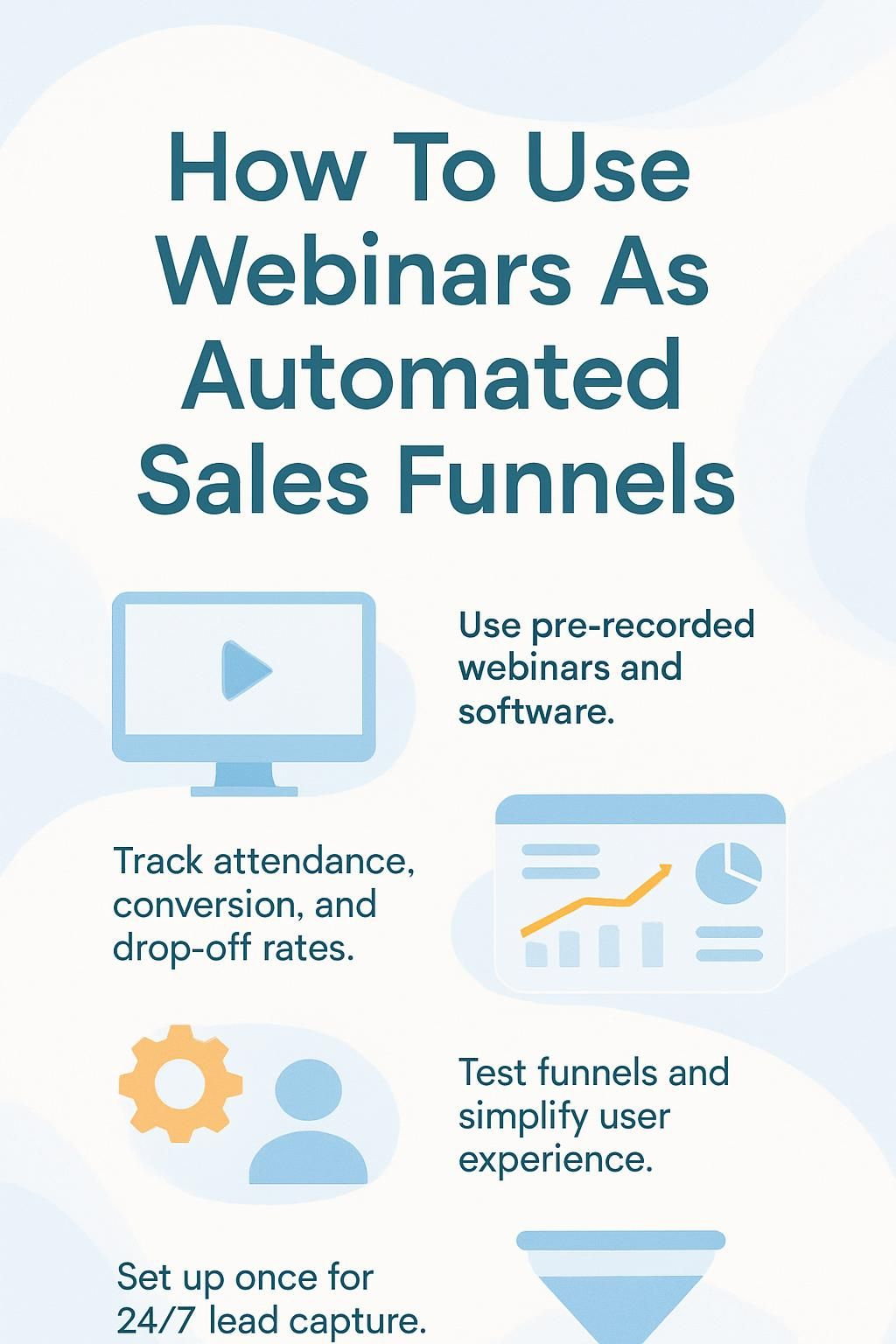
Automated webinar sales funnels use pre-recorded webinars to reach your target audience, capture leads, and boost sales. You set up a high-converting webinar registration page that collects each visitor’s name and email.
Automation software like EverWebinar or Demio manages the entire process for you—promotion, reminders with SMS or email marketing, and even post-webinar follow-up emails. These touchpoints keep people engaged at every step of their customer journey.
Each recorded webinar offers helpful content based on your audience’s pain points. A clear call-to-action (CTA) tells viewers what to do next—register for a service, buy a product, or book a call.
Integration with CRM systems allows quick lead nurturing as soon as someone registers or attends. Key performance indicators such as attendance rates and conversion rate help marketers track results using tools like Google Analytics.
“Your funnel never sleeps; it captures leads 24/7.”
Tracking these metrics helps refine your strategy for more qualified leads in less time… Next: learn why automated webinars deliver powerful benefits for brands looking to grow fast.
Benefits of Using Webinars as Automated Sales Funnels
Webinar sales funnels run on autopilot—helping you reach more people while saving time and effort. With tools like webinar hosting software and email marketing platforms, you can grow your audience quickly and collect valuable insights for better lead generation.
Continuous lead generation
Webinars solve specific problems for your audience. They do this by offering targeted content that keeps people engaged. This leads to continuous lead generation, as interested viewers sign up and learn more about what you offer.
Each time someone registers, you find a new potential customer.
High-converting landing pages play a key role here. These pages attract ongoing registrations and help keep engagement high. Automation software boosts your outreach with helpful pre-webinar promotions, reminders, and follow-ups.
Through this process, each webinar creates lasting connections and nurtures potential buyers into qualified leads over time.
24/7 availability for audience engagement
The benefits of continuous lead generation flow into the next key feature: 24/7 availability for audience engagement. Your webinars can engage people at any time, day or night. This means your content is always ready to inform and attract new leads.
Recorded webinars are accessible anytime. They cater to different time zones and schedules, which helps you reach a wider audience. People who miss live sessions can still watch later on their own terms.
This flexibility supports ongoing sales efforts without needing constant supervision from you; automation takes care of reminders and follow-ups as well!
Cost-effectiveness and scalability
Webinars are a great way to save money. You can reach more people without spending too much. Once you set up your automated webinar funnel, it runs itself. This means you don’t need to pay for each event or training session.
Scaling is easy with webinars, too. You can have one webinar that many people watch at once. This allows you to grow your audience while keeping costs low for things like hosting and promotion.
More leads could lead to higher sales over time as well.
Next, let’s talk about how to create an effective automated webinar sales funnel.
Higher-quality leads and insights
Moving from cost-effectiveness and scalability, let’s talk about higher-quality leads and insights. Automated webinars help you connect with your audience in a deeper way. They focus on solving specific problems that your target market faces.
This approach draws in attendees who are genuinely interested in what you offer.
Capturing quality leads means better chances of making sales later. Effective webinars allow for clear calls-to-action (CTAs). These CTAs guide your audience toward the next step, increasing conversion rates significantly.
Analyzing engagement during your webinar gives you valuable insights too. You can see how many people stayed until the end or dropped off early. These performance metrics show what works and what doesn’t, helping you refine your strategies over time.
Steps to Create an Automated Webinar Sales Funnel
To build an automated webinar sales funnel, start by knowing your goals and audience. Next, create engaging content with a clear call-to-action that guides your viewers to take the next step.
Step 1: Define your goals and audience
Start by setting clear goals for your webinar. Do you want to generate leads, make sales, or build brand awareness? Identifying your aim is key. Next, focus on your target audience.
Understand their pain points and where they are in the buyer’s journey. What information do they need? Customize your content to address their challenges and show how your product or service can help them overcome these issues.
Keep it simple and engaging. Use effective calls-to-action (CTAs) throughout the webinar to guide attendees towards taking action after watching. Knowing who you are speaking to will shape every part of your automated webinar sales funnel, from content creation to follow-up emails.
Make sure each step aligns with what matters most to your audience; this way, you’ll attract high-quality leads that convert into loyal customers over time.
Step 2: Craft engaging webinar content with a clear call-to-action
Moving from defining your goals and audience, you need to create engaging webinar content. The right content speaks directly to your target audience’s pain points. It should grab their attention and keep them interested throughout the session.
Make sure you include a clear call-to-action in your webinar. This is important for product engagement. Tell viewers exactly what steps to take after watching. Engaging elements, like questions or polls, can boost interaction with attendees too.
Focus on delivering value; this will help generate high-quality leads for your automated webinar funnel.
Step 3: Create a high-converting landing page
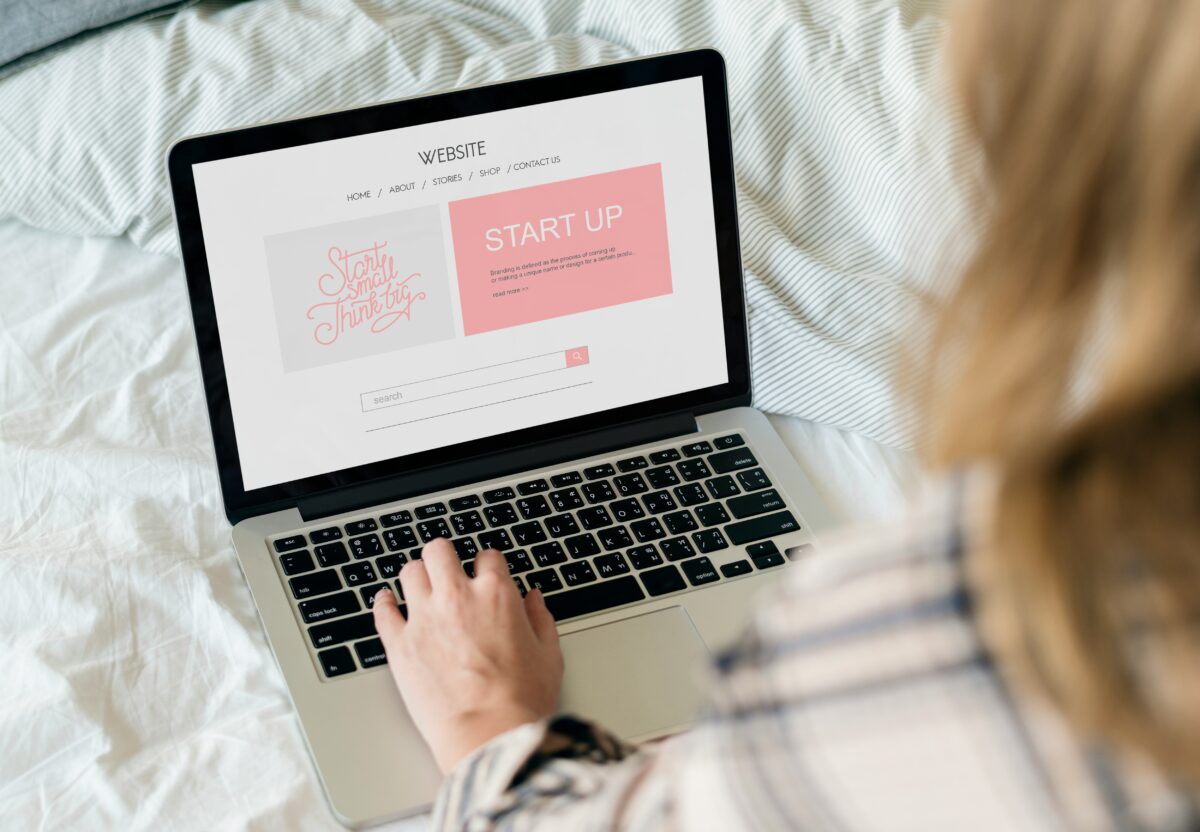
A high-converting landing page is vital for your automated webinar funnel. Focus on clear visuals and simple text. Make the value of your webinar easy to understand. Address the needs and pain points of your target audience.
This will drive engagement.
Keep the registration process simple to boost sign-ups. Use a strong call-to-action to encourage visitors to register for the webinar. Promote this page through social media, paid ads, and email marketing.
Make sure it stands out with eye-catching images and clean design elements that keep viewers interested in signing up for more details about upcoming virtual events or on-demand webinars.
Step 4: Record your webinar and optimize the presentation
Recording your webinar is a key step in creating an automated webinar funnel. Make sure to include a clear call-to-action in the presentation. This will help engage your audience and encourage them to take the next step.
Optimize the presentation by focusing on a specific problem relevant to your viewers. Use engaging visuals, like slides or graphics, to hold their interest. Keep your content concise and easy to understand.
Edit the recording for clarity and professionalism before sharing it with others. Listening to feedback can help you improve future webinars as well.
Setting Up Automation for Your Webinar Funnel
Setting up automation for your webinar funnel is key to saving time and increasing reach. Choose a good platform that fits your needs. Automate email reminders, so attendees don’t forget your event.
Use follow-ups based on how people engage with your webinars. This keeps them interested and ready to buy. Curious about more details? Keep reading!
Choosing the right webinar automation platform
Disclosure: I am an independent ClickFunnels Affiliate, not an employee. I receive referral payments from ClickFunnels. The opinions expressed here are my own and are not official statements of ClickFunnels or its parent company, Etison LLC.
Choosing the right webinar automation platform is key to your success. Look for one that lets you upload recorded content easily. It should also schedule webinars for different time zones.
An ideal platform supports clear calls-to-action in your webinars, which helps boost conversions.
Automation software can handle your pre-webinar promotions and reminders smoothly. After the event, it manages follow-ups too. This feature enhances lead nurturing and engagement metrics.
Tracking important data will help you fine-tune your strategy down the line. Now, let’s explore how to automate email reminders and follow-ups effectively.
Automating email reminders and follow-ups
After you choose the right webinar automation platform, you can set up email reminders and follow-ups. Utilize automated email and SMS reminders to enhance attendance rates. Sending out messages with countdown timers keeps your audience engaged about the upcoming event.
Follow-up emails are just as important. They direct leads to next steps, like purchasing products or booking consultations. Ensure these emails include clear calls-to-action (CTAs).
Effective communication helps convert interested viewers into qualified leads, making your webinar sales funnel perform better for you.
Using behavioral triggers to personalize engagement
Using behavioral triggers helps you connect better with your audience. These triggers can show you how users interact with your automated webinar funnel. For example, if someone registers but does not attend the webinar, you can send them follow-up emails to re-engage them.
This makes them feel valued and increases their chances of becoming a qualified lead.
You may also use engagement metrics from your webinars to tailor content for different segments of your audience. If a viewer watches only part of the presentation, they might get different offers than those who stay for the whole event.
By personalizing outreach based on these behaviors, you improve the customer journey and boost conversion rates in your sales funnel.
Driving Traffic to Your Webinar Funnel
To get more people to your webinar funnel, use social media and ads. You can run Facebook ads or connect with influencers to reach a larger audience fast.
Leveraging social media and paid ads
Social media is a powerful tool for promoting your webinar registration page. You can reach a wider audience by posting engaging content. Use eye-catching visuals and strong calls to action.
Paid ads also help you target specific groups of people. Facebook ads allow you to focus on age, interests, and location.
Track how well your social media and paid ads perform using key performance indicators (KPIs). This information shows what works best. Optimize your ad campaigns based on engagement metrics like clicks and shares.
Try different formats, such as videos or carousel ads, to see which one drives more registrations for your automated webinar funnel.
Building an email marketing campaign
Email marketing is key for your automated webinar funnel. Start by creating a list of contacts who may be interested in your webinars. Use sign-up forms on your registration page to gather names and emails.
Send welcome emails to introduce yourself and explain what they can expect from your content.
Next, craft engaging follow-up emails after the webinar. Include links to the recording and additional resources. Always use a strong call-to-action (CTA) so that readers know what to do next.
For example, invite them to join another upcoming event or check out related offers. This helps nurture leads and keeps them engaged with your brand over time.
Partnering with influencers or affiliates
Partnering with influencers can boost your automated webinar funnel. Influencers have large followings and trust from their audience. They can promote your on-demand webinars to a wider group.
Their recommendation might lead to more sign-ups and higher attendance rates.
Affiliates can also help grow your reach. They share your webinar registration page for a commission on sales made through their links. This strategy makes it easy to find high-quality leads without much cost upfront.
Engaging with both influencers and affiliates creates more touch points, enhancing brand awareness in the digital marketing space.
Optimizing the Webinar Funnel for Conversions
Optimizing your webinar funnel is key to getting more sign-ups. Look closely at how people engage and what makes them drop off. Use this data to make your content better and strengthen follow-up emails.
Test different landing pages and calls to action to see what works best for you.
Analyzing attendee engagement and drop-off rates
Analyzing attendee engagement and drop-off rates is key to your webinar success. Look closely at how many people stay for the whole event. High attendance means your content is interesting.
Low numbers may show that you need to improve.
Check which parts of the webinar keep viewers interested. If many leave after a certain point, change that section. Use tools to track clicks and interactions during the session; these insights help you make better decisions in future webinars.
By understanding engagement, you can create an effective automated webinar funnel that turns leads into customers efficiently.
Using data to refine your content and follow-up strategy
You can improve your webinar content by using data. Look at engagement metrics and drop-off rates from past webinars. This information shows what parts of your presentation work well and what doesn’t.
Use this insight to change your follow-up strategy too. For example, if many people left during a specific segment, consider changing that part or simplifying it. Use high-quality leads to personalize future outreach efforts based on their interests.
This way, you make each attendee’s experience better, which increases their chances of converting into customers.
A/B testing landing pages and CTAs
A/B testing landing pages and CTAs is vital for your webinar funnel. It helps you find out what works best. You can compare different designs to see which one gets more sign-ups. Testing various calls-to-action also reveals the most effective phrases.
This way, you can turn viewers into attendees.
You should track your registration and conversion rates during these tests. Analyzing how users engage with landing pages gives insight into their preferences for future webinars. Continuous A/B testing fine-tunes your approach.
By focusing on compelling value propositions, you meet the needs of your target audience better.
Common Mistakes to Avoid with Automated Webinar Funnels
Many people forget to send follow-up emails after their webinars. This can lead to missed chances and lost leads. Some also make the user journey too complicated, which confuses potential customers.
Don’t skip testing your funnel before launch, either—this step is key for success! To learn more about these common errors and how to fix them, keep reading….
Ignoring follow-up sequences
You can lose many leads by ignoring follow-up sequences. After a webinar, it’s important to connect with attendees. Automated follow-ups help you categorize attendees based on how they engaged during the event.
This way, you can send customized messages that speak directly to their interests.
Clear calls-to-action in your post-webinar emails also guide participants in the next steps. These actions are critical for improving lead nurturing and enhancing conversion rates from automated webinars.
Analyzing key performance indicators is essential too; it helps identify areas where your follow-up process can improve and become more effective over time.
Over-complicating the user journey
Ignoring follow-up sequences can lead to problems in your automated webinar funnels. Over-complicating the user journey is another mistake that affects conversions. Keep it simple and clear for your audience.
Your landing page should be straightforward. Avoid unnecessary steps that might confuse visitors. Each action you ask them to take should feel easy, not complicated. Use clear calls-to-action (CTAs) on your registration page so people know what to do next.
This approach reduces drop-off rates and improves attendance rates for your webinars. When attendees engage easily, they are more likely to become qualified leads. Focus on a smooth process from start to finish; this helps build trust and keeps the customer experience positive throughout their journey.
Not testing the funnel before launch
Not testing your webinar funnel before launch can lead to big problems. You miss chances to connect with your audience and may face errors in the automated process. Technical glitches can happen during the event, making viewers lose interest.
If links are broken or registration pages don’t work, attendees won’t sign up.
Timing is also critical for your follow-up emails. Without testing, these emails might arrive at the wrong time, causing low engagement rates. A lack of a backup plan could be risky if something unexpected arises during the webinar.
Testing helps you find content issues that could hurt conversions too.
Now, let’s explore how to set up automation for your webinar funnel effectively.
Advanced Tactics for Better Results
Explore ways to make your webinar stand out. You can use features like live chat for real-time interaction, creating a more engaging experience. Offering time-sensitive deals can push attendees to act quickly and increase conversions too.
Segmenting your audience helps you send personalized messages that resonate better.
Simulating live chat for a realistic experience
Simulating live chat helps make your automated webinar feel real. You can use tools that mimic a live discussion. This keeps viewers engaged and interested in what you share. Timed polls and chat functions add to this experience too.
Attendees will feel more connected.
By using these interactive elements, you create a lively atmosphere—just like in a live event! This approach also boosts the likelihood of conversions. After all, people respond better when they feel involved.
Your audiences appreciate the chance to ask questions and share thoughts during the session.
Creating time-sensitive offers to drive urgency
Time-sensitive offers can spark action. They create a sense of urgency for your audience. Use countdown timers in your reminders to show how much time is left. This builds excitement and pushes people to join your webinar.
Offer bonuses that are only available for a short period. Make them exclusive, like extra content or discounts for early sign-ups. Mention what attendees will miss if they don’t act fast.
Highlight these benefits in follow-up emails too; this keeps the pressure on and encourages quick decisions from potential leads.
Segmenting leads for personalized outreach
Creating time-sensitive offers to drive urgency leads to the next step: segmenting leads for personalized outreach. Segmentation helps you group your audience based on how they engage with your content.
This way, you can speak directly to their needs and interests.
You can use tools like webinar automation platforms for this task. They help track key performance indicators (KPIs) that guide your segmentation strategies. By understanding audience pain points, you target specific groups effectively.
Custom follow-up emails align with each segment’s unique interests, increasing the chance of conversion. Engaging segmented leads boosts participation in future webinars too; it’s all about building those connections!
Conclusion
Utilizing webinars as automated sales funnels can assist you in growing your business. These events are effective for lead generation, even while you rest. Craft excellent content and a compelling landing page to draw in viewers.
Don’t forget to send reminders and follow-ups to maintain their interest. By assessing what works best, you can refine your strategy and enhance conversions over time. Begin today, and observe your leads transform into customers!