How To Create Lead Magnets That Plug Perfectly Into Your Funnel

You might feel stuck when trying to get more people into your sales funnel. Studies show that a strong lead magnet can boost your conversion rate fast. In this post, you will learn simple steps to create a great opt-in offer that fits right into your funnel and helps you grow your email list.
Want higher engagement and leads? Keep reading!
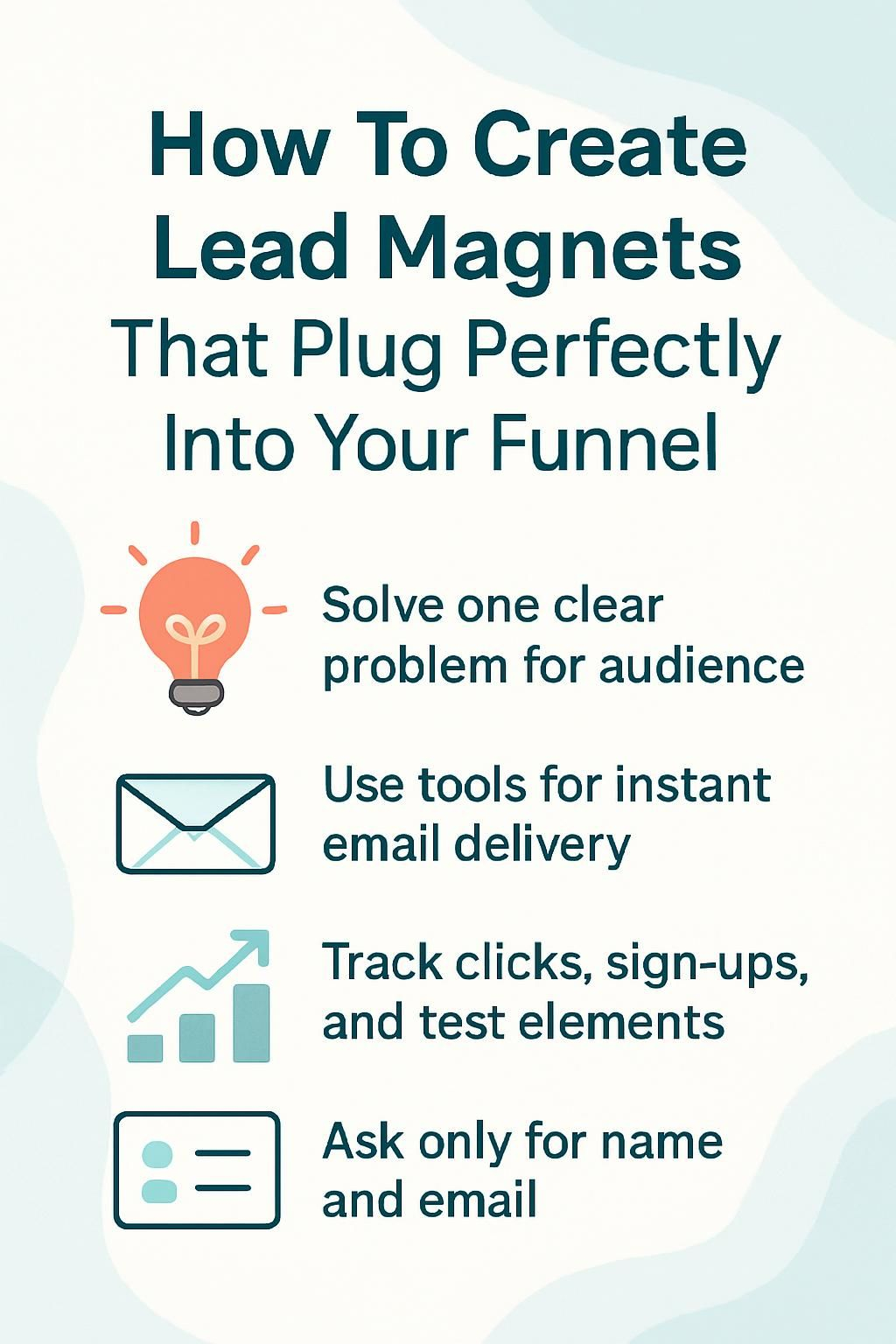
What is a Lead Magnet?

A lead magnet is a valuable resource that you offer to attract potential customers. It gives people something useful in exchange for their name and email, helping with customer acquisition and email list building.
For example, an ebook on digital marketing tips, a checklist for audience targeting, or even a quiz on conversion rate strategies.
Lead magnets always solve specific problems your audience faces right now. Templates from Mailchimp or webinars hosted by experts like Neil Patel are great examples. They work as part of your engagement strategy and should have a clear call to action so visitors know what steps to take next.
Each one must show real value quickly so people want to join your list without hesitation.
Characteristics of an Effective Lead Magnet
A strong opt-in offer grabs attention and encourages quick action. It fits right into your marketing funnel, helping boost email list building and drive higher conversion rates with each visitor.
Solves a specific problem
An effective lead magnet solves a specific problem for your target audience. It should address their pain points directly. People want quick wins, and you can provide that through valuable resources like ebooks or checklists.
These tools offer solutions that help them immediately.
Your goal is to create content that speaks to their needs. By pinpointing these issues, you show understanding and build trust. This connection encourages people to opt-in and engage with your sales funnel more effectively.
Always focus on what matters most to them; this will drive leads into your funnel easily.
Provides immediate value
A lead magnet should give immediate value to your audience. It solves a specific problem. This quick win can be an ebook or a checklist that provides instant help. By addressing their pain points, you show that you understand their needs.
To make this work, the content must be easy to consume. People appreciate things they can quickly read or use. A high perceived value helps too. When you create something valuable, people are more likely to opt in and engage with your brand later on.
Easy to consume
An effective lead magnet should be easy to consume. Users want quick wins that deliver value fast. Resources like ebooks, checklists, and templates need to be clear and straightforward.
They should not require a lot of time or effort to use. This makes it easier for people to access the information they need.
The opt-in process plays a big role too; it should ask for minimal data entry so it’s simple for everyone. Once users sign up, automated emails can provide important content without overwhelming them.
Keeping things digestible helps engage leads better and boosts conversion rates. Next, let’s explore what a lead magnet is….
High perceived value
Easy-to-consume lead magnets must also have high perceived value. This means your audience should see them as very useful resources. Define the specific pain points of your target audience to enhance this value.
People want quick wins, so offering ebooks, checklists, or templates can help you achieve that.
Create a compelling opt-in page and thank-you page that show how valuable your lead magnet is. You should automate emails after someone opts in, reinforcing the benefits they will gain from your resource.
Drive traffic to it by sharing high-value content on social media and blogs. Always keep an eye on performance metrics to ensure your lead magnet stays appealing and effective in generating leads.
Types of Lead Magnets
Lead magnets come in many forms. You can find ebooks, checklists, and even fun quizzes. Each type grabs attention in its own way. Use what fits your audience best to build strong connections!
Ebooks and Guides
Ebooks are great lead magnets. They solve specific problems for your audience. An ebook should give clear value to encourage people to sign up. Make sure it addresses their pain points.
A strong headline and a clear description of the ebook’s benefits can grab attention.
Once someone opts in, they need easy access to the ebook. Redirect them to a thank-you page with instructions on how to download it. Use social media and blogs to send traffic to your opt-in pages for ebooks.
Regularly check and test your pages for better results in capturing leads.
Checklists and Cheat Sheets
Ebooks and guides provide great information, but checklists and cheat sheets offer quick help. They are easy to read and give you actionable tips right away. These tools solve specific problems your audience faces.
Use them to address pain points directly.
A strong opt-in page for checklists should have a catchy headline. Clearly explain the value they will receive when they sign up. Checklists fit well into an automated email sequence, too; this helps nurture leads over time.
Drive targeted traffic to your checklist opt-in page for better lead generation results.
Webinars and Video Tutorials

Webinars and video tutorials are great lead magnets for online learning. They provide valuable content in an easy-to-access format. You can teach your audience new skills or concepts through engaging visuals and live interactions.
This type of content captures interest quickly.
These resources help boost audience engagement by allowing viewers to ask questions and interact in real time. Many people appreciate the chance to learn from experts directly, making webinars a powerful tool for lead generation.
Now, let’s look at how to create a lead magnet that converts effectively.
Quizzes and Surveys
Quizzes are a great way to engage your audience. They attract users because they offer fun and valuable insights. You can design quizzes that target specific pain points. This means you help users solve problems while giving them something enjoyable to do.
A visually appealing quiz interface is key for attracting more people. Offer quick wins with your quizzes so users feel satisfied right away. After they finish the quiz, follow-up emails are essential to keep nurturing those leads.
Analyzing the results also helps you improve your funnel performance and lead generation strategies over time, boosting conversion rates in the process.
Templates and Swipe Files
Templates and swipe files are great tools for lead magnets. Templates help people save time and effort. They offer ready-made formats that can be easily filled out or customized. Swipe files contain examples of successful content, ads, or emails.
These resources show what works well in marketing.
Using templates and swipe files makes your lead magnet valuable right away. People appreciate quick and easy solutions to their problems. These types of lead magnets can drive email signups as users see the immediate benefit they bring.
Now, let’s explore how to create a lead magnet that converts!
Steps to Create a Lead Magnet That Converts
To create a lead magnet that converts, start by knowing your audience. Understand their struggles and what they really want. Then pick a lead magnet type that fits perfectly with those needs.
Your content must be helpful and actionable to grab their interest—make it something they can use right away!
Identify your target audience

Knowing your target audience is key to creating a great lead magnet. Start by defining who you want to reach. Think about their age, interests, and needs. This is part of building an ideal customer profile.
Next, pinpoint their pain points. What struggles do they face? Understanding these issues helps you provide real solutions in your lead magnet. Use audience research tools to gather information.
Your goal is clear: create something that speaks directly to them and adds value right away!
Pinpoint their pain points
To create a lead magnet that converts, you must first pinpoint their pain points. Find the specific challenges your target audience faces. These problems can be anything from lack of time, unclear goals, or limited resources.
Understanding these issues helps you develop solutions they need right away.
Once you identify the pain points, focus on creating helpful resources. Offer quick wins through your lead magnets that address these struggles. For example, if people are overwhelmed by tasks, a simple checklist can provide relief.
Tailor your content to their needs and make sure it speaks directly to them. This way, your lead magnet stands out and draws the right people into your sales funnel.
Choose the right type of lead magnet
Choosing the right type of lead magnet is key to attracting your audience. Think about their pain points. Identify what problems they need solutions for. For quick wins, popular formats work well.
Ebooks, checklists, and webinars can grab attention fast.
After picking a format, create content that offers real value. Make it easy to digest so users can benefit right away. This will help you engage better with your audience while boosting lead generation efforts in your funnel strategy.
Create actionable and valuable content
Creating actionable and valuable content is essential for your lead magnet. Focus on solving specific problems for your target audience. Offer quick wins, like ebooks or checklists, that provide immediate benefits.
Easy-to-read guides help people understand intricate topics quickly.
Ensure the content is useful and relevant to their pain points. This approach enhances engagement and increases your conversion rate. Valuable resources attract leads and also keep them interested in what you offer.
Make sure each piece of content provides real value, making it a must-have for potential customers.
Designing Your Lead Magnet Funnel

Creating your lead magnet funnel is key to drawing in new customers. Start by building a strong landing page that grabs attention. Make sure it explains what your lead magnet offers and why it matters.
You also want a clear call-to-action, or CTA, that tells visitors what to do next. Set up an opt-in form for users to join your email list easily. After they opt-in, send them straight to a thank-you page with another offer—and keep the momentum going! Want tips on crafting the perfect landing page? Keep reading!
Build a compelling landing page
A strong landing page is key for your lead magnet funnel. Start with a clear headline that grabs attention. Your title should speak directly to the problem your audience faces. Use simple words and easy-to-read fonts.
Add images or videos to support your message.
The opt-in form must be straightforward, asking only for essential information like name and email address. Keep it short! A thank-you page will show users they are valued after signing up; this can include a special offer or additional resources.
These steps help improve user engagement while guiding them smoothly through the process of lead generation and conversion rate increase.
Add a clear call-to-action (CTA)
A clear call-to-action (CTA) guides your audience. It tells them what to do next. This could be signing up, downloading, or watching a video. Use strong words that stir action. Phrases like “Get your free guide now!” work well.
Place your CTA where it stands out on the landing page. Make it easy to find and hard to ignore. Use bright colors and large buttons for visibility. Clear CTAs boost engagement and drive conversions in your funnel effectively.
Set up an opt-in form
You need to set up an opt-in form for your lead magnet. This form helps you capture user information, like names and email addresses. Keep it simple and ask for just a few details.
The less you ask, the more likely people will sign up.
Make sure your landing page has this opt-in form visible and easy to find. Use clear call-to-action buttons that tell users what to do next. Once they fill out the form, redirect them to a thank-you page.
This page should acknowledge their action and can also include another offer. Automate follow-up emails after they opt in to nurture these leads further.
Redirect to a thank-you page with a secondary offer
After users submit their information on the opt-in form, they go to a thank-you page. This page confirms that their submission was successful and gives clear steps on how to access the lead magnet.
The thank-you page also includes a secondary offer, like joining a community or checking out more resources. Keeping this page visually appealing is key. It helps you present your offers in an attractive way.
The aim is to keep users engaged and interested even after they’ve signed up for your lead magnet.
Delivering and Nurturing Leads

After you create your lead magnet, make sure to send it out quickly. Use an email system to automate this process so leads get their offer right away.
Next, craft a series of follow-up emails. These should share more tips and build a connection with your audience. Each email offers more value and keeps them engaged with your brand.
Automate lead magnet delivery
Automate your lead magnet delivery with ease. Use email tools to send the magnet right after someone opts in. This saves you time and ensures that no one misses out. Tools like Mailchimp or ActiveCampaign can help you set this up quickly.
Make sure your emails are friendly and clear. Thank people for signing up, then give them what they wanted—your lead magnet! Set these emails to go out automatically, so you can focus on other tasks while engaging leads effectively.
Follow-up emails can keep interest high and nurture those leads further through targeted email marketing strategies.
Create a follow-up email sequence
You must create a follow-up email sequence after you automate lead magnet delivery. Start with a welcome email right away. This lets your new leads know you appreciate their action.
Next, send a series of value-driven emails that build on the lead magnet content. Include personalized recommendations based on what interests them or how they act in prior emails.
Monitor engagement metrics like open and click rates to fine-tune your message and timing. Adjust subject lines and formats through A/B testing to boost responses.
Provide additional value through email content
Creating a follow-up email sequence is just the start. You can boost your leads by providing extra value through your email content. Share tips, insights, or industry news that relates to their interests.
This keeps them engaged and shows you care about their needs.
Use emails to deepen relationships with your audience. Send helpful resources or answer common questions they may have. Your goal is to keep them interested and eager for more from you.
Show them that you are not just selling something; you want to support them in their journey.
Promoting Your Lead Magnet
Promoting your lead magnet is key to getting more people interested. Use social media to reach a wider crowd. Share blog posts and articles that highlight what you offer. Run targeted ads to grab attention from the right audience.
Don’t forget popups on your website—they can catch visitors off guard in a good way! Want tips on how to do this? Read on….
Use social media

Social media is a key tool for promoting your lead magnet. Drive traffic to it by sharing engaging posts on all your channels. This includes Facebook, Instagram, Twitter, and LinkedIn.
Use these platforms to talk about the value of your lead magnet and how it solves problems for your audience.
Engage with your followers directly. Answer questions and encourage them to share their thoughts. Share content related to the lead magnet too; this builds interest and excitement.
Social media ads can help you target specific groups based on demographics that fit your ideal customers. You can also work with influencers who can amplify the reach of your lead magnet even more!
Leverage blog posts and articles
Blog posts and articles are great ways to promote your lead magnet. They can help you reach more people. Write clear, helpful content that connects with your audience’s needs. Use keywords like “lead generation” and “content marketing” to target the right readers.
Include links to your lead magnet in these posts. This makes it easy for visitors to find and sign up. Share tips or tricks that relate to what you offer. This builds trust and encourages engagement, making them want more from you!
Run targeted ads
Targeted ads can help you reach the right people. They allow you to focus on a specific audience. This means your lead magnet gets seen by those who really want it. Use social media platforms, like Facebook and Instagram, for these ads.
You can choose demographics, interests, or behaviors that match your ideal customer.
Set clear goals for your campaigns. Know what actions you want users to take after seeing your ad—like signing up for your lead magnet. Monitor how well the ads perform and tweak them if needed.
Using effective targeted campaigns can boost leads and improve conversion rates in no time at all! Next, you’ll need to think about optimizing your lead magnet funnel for even better results.
Include popups on your website
Popups can boost your lead generation efforts. Use them to drive targeted traffic to the opt-in page for your lead magnet. Design attention-grabbing popups that offer valuable resources.
Make sure these popups match the theme of your lead magnet.
Test different popup designs and timings. This helps optimize user engagement and conversion rates. Integrate popups wisely; they should enhance visibility without disrupting user experience.
Monitor how well your popups perform as part of your funnel optimization strategy. With effective promotion, you can draw in more leads through compelling content on various platforms, including social media and blogs.
Optimizing Your Lead Magnet Funnel
To optimize your lead magnet funnel, keep an eye on how well it performs. Look at metrics like clicks and sign-ups to see what works best. You can test different landing page designs or change up your call-to-action buttons for better results.
Regularly refining emails also helps maintain interest and boosts engagement!
Monitor funnel performance metrics
Track your funnel’s performance metrics regularly. Focus on key numbers like opt-in rates, email open rates, and click-through rates. This data helps you understand how well your lead magnet is working.
You can see where people drop off and what grabs their attention.
A/B testing can improve results too. Try different headlines or calls-to-action to find what works best for your audience. Refine the parts of your lead magnet based on the collected data.
By doing this, you’ll enhance user experience and boost conversion rates over time.
A/B test landing page elements
A/B testing helps you see what works best on your landing page. You can test headlines, images, or calls-to-action to find what grabs attention. By changing one element at a time, you can tell which version performs better.
Use performance metrics to track user engagement. Split testing shows you how small changes affect conversion rates. This way, you keep refining your lead magnet and opt-in pages for better results in lead generation.
Refine CTAs and email sequences
Your CTAs, or calls to action, need to grab attention. They should be clear and inviting. Test different versions of your CTAs regularly. Use A/B testing to see which ones work best.
This helps improve user engagement.
Email sequences also need careful planning. Monitor open rates and click-through rates closely. Adjust your content based on user behavior and feedback. Create email subject lines that spark curiosity for better responses.
Always refine these elements for maximum impact as you design your lead magnet funnel.
Now let’s move on to designing your lead magnet funnel.
Conclusion
Creating lead magnets that fit well into your funnel is essential. Start by knowing what your audience needs. Make sure your magnet solves a problem and offers quick value. Use engaging formats like ebooks, checklists, or webinars to capture interest.
Promote it widely and keep tracking its performance to improve results over time. Your efforts will help grow your email list and strengthen customer connections.