Do You Really Need A Website In 2025?

You might wonder if you still need a website when everyone talks about social media and new digital tools. Studies show that 80% of people trust a business more if it has a professional website.
This blog breaks down why having an online presence, strong search results, and easy calls to action help your brand in 2025. Stick around to see why skipping the web could cost you more than just clicks.
The Role of Websites in 2025
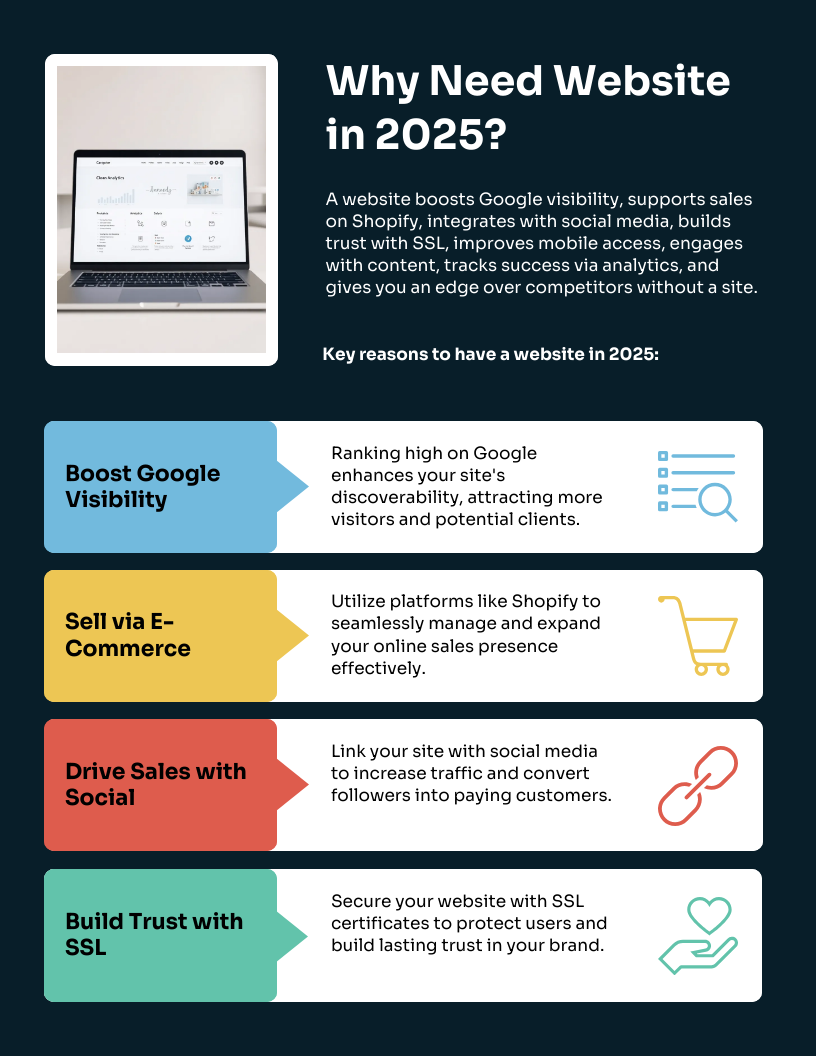
As the digital landscape shifts, your website stands center stage in 2025. Think of it as your all-star player, always working behind the scenes for you. Website design has stretched far past pretty colors and catchy homepages.
Now, sites serve as serious engines for digital marketing and lead generation. Tools like Google Analytics help you understand what clicks with your target audience. Data-driven design boosts user engagement while search engine optimization (SEO) keeps your pages visible on search engines.
Mobile-first design is no longer just an extra feature; it is a must. People research brands through phones, tablets, voice assistants, and even smart watches. AI tools can shape the customer journey by offering fast answers or personal recommendations day or night.
If you run an online store or brick-and-mortar shop, websites let people browse inventory anytime and build trust with social proof such as customer testimonials.
“Your website isn’t just online real estate—it’s where customers meet your brand face-to-face.”
Features like clear calls to action (CTAs) push visitors to connect right away—no confusing steps needed. Local SEO helps neighbors find small businesses in their area instantly instead of sifting through endless posts on social media platforms that change daily rules more often than socks! As trends evolve each year, a well-built professional website will stay one touchpoint ahead of print ads and direct mail campaigns every time.
Why Websites Are Still Relevant
Websites act as your brand’s home base on the internet, giving you full control over what people see and learn. They help you stand out in crowded social media feeds, boost your search engine rankings, and open doors for new marketing tools like AI-powered landing pages or voice search optimization.
Building Credibility and Trust
A professional website helps you build customer trust. In 2025, more people will look for your business online. Without a good site, potential customers might think twice about buying from you.
A well-designed website shows that you care about your brand identity. It can boost your credibility and show off your brand culture with customer testimonials and engaging content.
Trust is key in digital marketing and customer relationships. When visitors see a clean design and easy navigation, they feel secure. This leads to better user engagement and higher conversion rates on landing pages.
Your website acts as the central hub for all your online presence, linking social media profiles and email marketing efforts together seamlessly. Next up is how to enhance visibility through search!
Centralizing Your Brand Message
Your website is the main place to show your brand. It brings together your message, values, and personality in one spot. Social media posts can get lost quickly but a website keeps everything organized.
You control what visitors see about your brand identity.
With clear calls to action (CTAs), you guide visitors on their journey. This improves customer experience and boosts trust in your business. Strong web design helps create an inviting atmosphere where users engage with content that matters to them.
Next, let’s explore how a successful website enhances visibility through search optimization techniques like local SEO and schema markup.
Enhancing Visibility Through Search
Search engine optimization (SEO) helps your website get noticed. A strong online presence starts with being visible on search engines like Google. Using local SEO tactics can attract nearby customers.
This means you appear higher when people look for services in your area.
Creating content that answers questions boosts your ranking too. Think about using customer testimonials or articles related to what you offer. These elements act as social proof, building trust and credibility with visitors.
With good web design and effective calls to action (CTAs), you guide users along their journey, increasing web traffic and lead generation while enhancing engagement.
Key Features of a Successful Website in 2025
A successful website in 2025 will focus on smart design that uses data to meet customer needs. Mobile-first design is crucial since many users browse on their phones. AI tools can help improve user experience and boost your site’s performance.
These features will keep your brand fresh and engaging, so you’ll want to know how they all work together!
Data-Driven Design
Data-driven design is all about using information to create better websites. You gather facts from tools like Google Analytics and other analytics platforms. These insights help you see how users interact with your site.
For instance, tracking clicks can show which areas get attention and which don’t.
With a mobile-first approach, your website must look great on phones first. Many people browse using their mobiles now. If your site does not cater to them, you lose potential visitors and customers.
By focusing on user behavior, you can make smart choices that boost engagement and improve the customer journey. Use A/B testing for different designs; this way you find out what works best for your audience’s needs efficiently.
Mobile-First Approach
Following a data-driven design, a mobile-first approach is key in 2025. Most people browse the web on their phones now. If your website isn’t mobile-friendly, you risk losing visitors.
Mobile-first means you create your site for smartphones first, then adjust for larger screens. Use clear text and simple navigation. Keep images quick to load; this helps with user engagement.
Search engines like Google prioritize sites that perform well on mobile devices. This enhances your visibility online through search engine optimization (SEO). A strong mobile presence boosts brand awareness and builds customer trust, making it essential for success in digital marketing today.
AI-Powered Optimization
After focusing on a mobile-first approach, let’s talk about AI-powered optimization. This technology helps improve your website’s performance. It uses data to make smart changes that enhance user experience.
AI tools analyze how visitors interact with your site. They can suggest updates to design or content based on customer behavior. With this insight, you can boost your site’s visibility through search engine optimization (SEO).
You want customers to find you easily online, right? By using AI for website optimization, you build customer trust and increase engagement with each visit.
What Happens Without a Website?
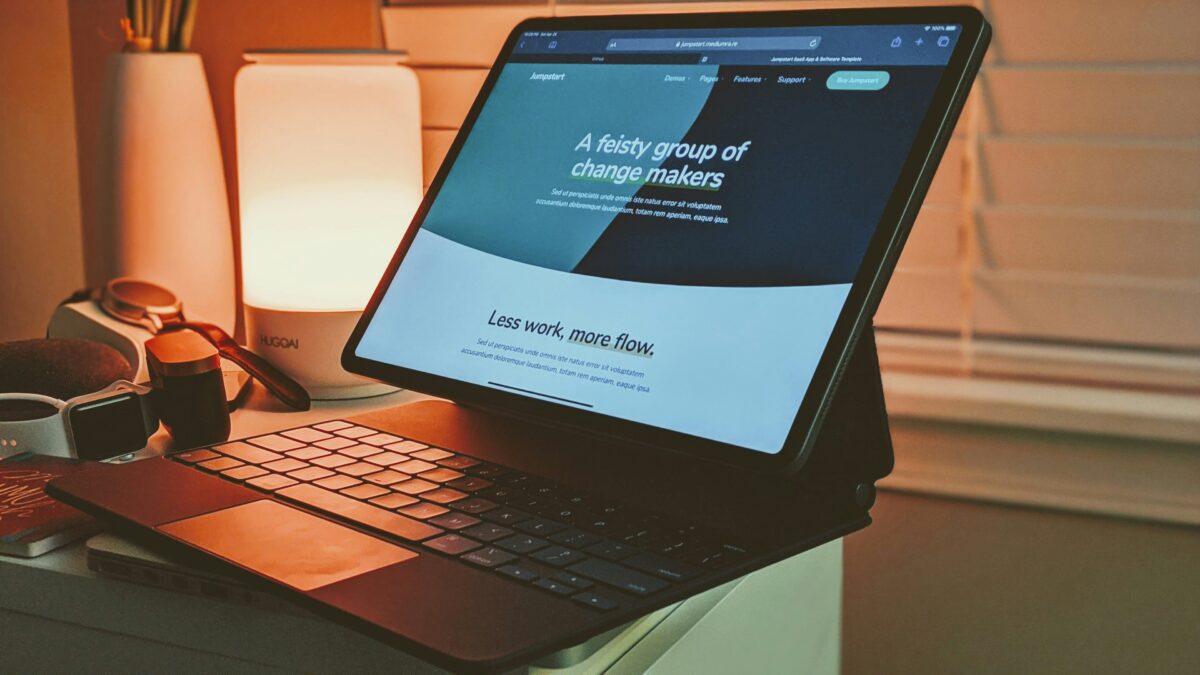
Without a website, you miss many chances to grow your business. You limit how customers see your brand and what they can find about you online.
Missed Opportunities for Growth
A business without a website faces big risks. You miss chances to connect with customers. Many people search online for services and products. If they can’t find you, they may choose your competitor instead.
A website acts as your digital storefront, open 24/7. It can showcase your brand personality and highlight what makes you special.
Without a strong online presence, lead generation slows down. Customers rely on digital tools like search engines to discover new brands. Your site helps build customer trust through social proof such as testimonials or reviews.
Ignoring this means losing out on potential sales and engagement opportunities from interested buyers looking for their next best option in today’s fast-paced market.
Limited Control Over Brand Representation
Without a website, you lose control over how people see your brand. Social media platforms can shape your image but don’t tell your full story. They limit what you can share about customer trust and brand identity.
You may get lost in the noise of other voices online.
A professional website puts you in charge. Visitors find easy access to your unique brand message, and that builds credibility. Tools like search engine optimization (SEO) help customers discover you faster than ever before.
Your site showcases testimonials, highlights your culture, and invites user engagement—all crucial for a strong online presence.
Conclusion
A website is still crucial in 2025. It builds your brand identity and shows off customer testimonials. With digital marketing growing, having a mobile-friendly site boosts visibility.
You can use AI tools for better website performance too. So, if you want to grow your online presence, a professional website should be at the top of your list!