The Psychology Behind High-Open Rate Subject Lines

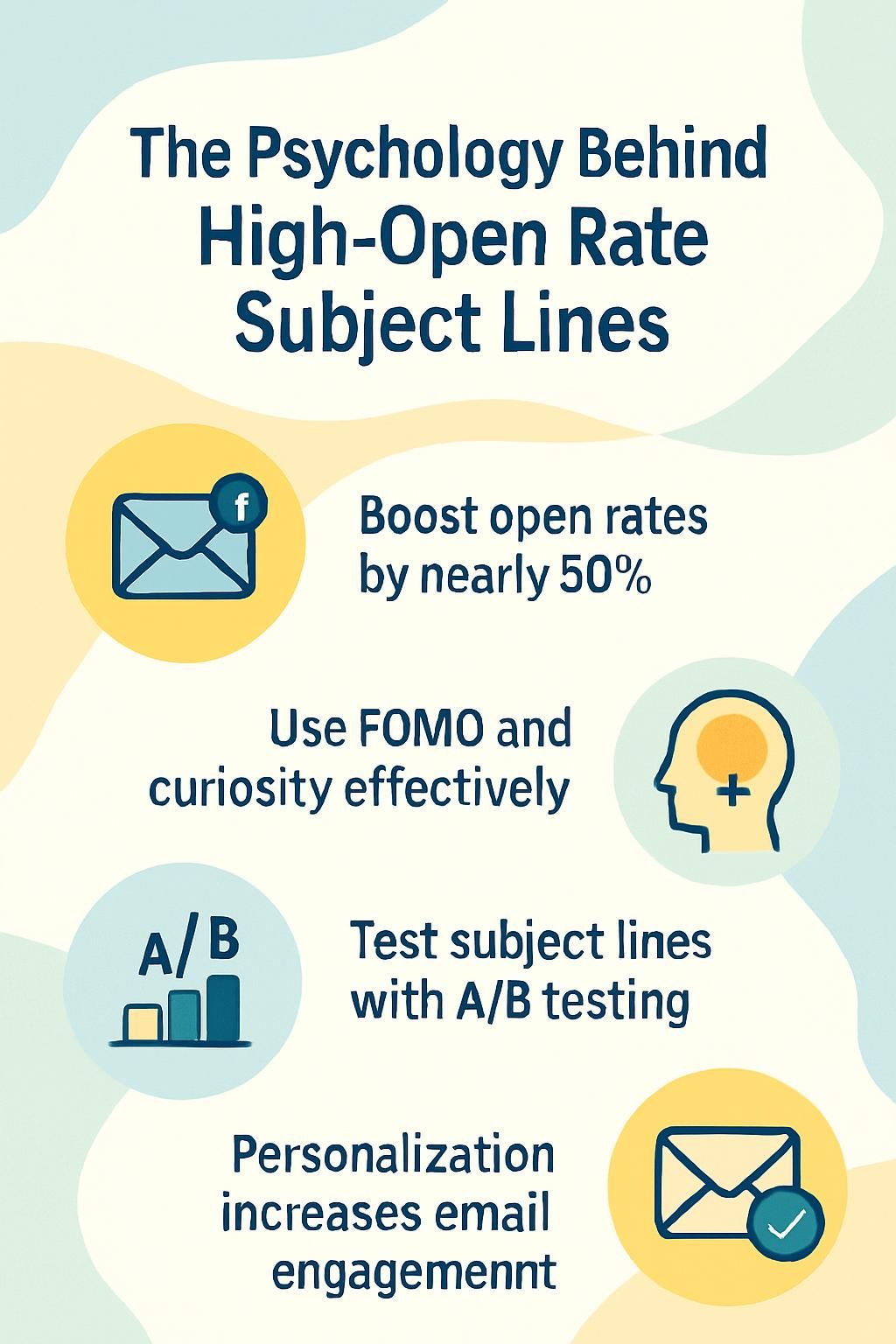
You want more people to open your emails, but your subject lines are not working. Studies show that the right words can boost email open rates by almost 50 percent. This blog will explain how psychology and smart marketing strategies can help you write better subject lines using tools like A/B testing and audience segmentation.
Keep reading to find out what really grabs attention in crowded inboxes….
The Role of Psychology in Email Subject Lines
Your mind reacts fast to certain words, shapes, and feelings—this is the cornerstone of why some subject lines stand out. Marketers use behavioral principles and tools like sentiment analysis to make these phrases spark action in your inbox… often before you even realize it.
How emotions influence decision-making
Emotions affect how you make choices, fast. Fear of missing out (FOMO) pushes people to click on email subject lines right away. The drive for instant gratification or the desire to avoid loss makes you act quickly, sometimes without thinking much.
Feelings like curiosity and excitement make certain words or phrases stand out. Subject lines that stir emotion often boost open rates in email marketing. Using emotional triggers in your messages can get a higher response from your target audience and raise click-through rates too.
The science of attention-grabbing words
High open rates are linked to specific words. These words spark curiosity and grab your attention. Words that evoke feelings can influence how you decide to open an email. For example, using exciting terms like “limited time” creates urgency.
This prompts action because you don’t want to miss out.
Words also play a role in how messages stand out from others in your inbox. Strong, clear language cuts through noise. It makes the subject line easy to read and understand quickly.
Personalization helps too; using someone’s name or interests improves engagement levels even more. Science shows that words crafted for the audience increase click-through rates significantly; they encourage people to open emails instead of ignoring them.
“The right words can make all the difference.”
Key Psychological Principles Behind High-Open Rate Subject Lines
Curiosity pulls readers in. It creates an urge to learn more. FOMO makes them worry about missing out on something good. It pushes them to open your email fast. Personalization speaks directly to the reader’s heart, making them feel special.
Social proof shows that others find value in what you offer—this builds trust. When people fear losing an opportunity, they act quickly, driven by loss aversion and scarcity.
These ideas help shape your subject lines for better email engagement and higher open rates…
Curiosity and the Information Gap Theory
Curiosity drives people to seek answers. The Information Gap Theory explains this. It suggests that when you present unexpected or missing information, it sparks interest. You want readers to feel a sense of curiosity and want to know more.
Using curiosity in email subject lines is powerful for email marketing. Phrases like “You won’t believe what happened next” grab attention. They create an urge to find out what lies behind the words.
This strategy can boost your open rates significantly, as people hate missing out on intriguing information!
FOMO (Fear of Missing Out) and Urgency
FOMO, or the fear of missing out, drives many people to act fast. It plays a big role in email marketing. Subject lines that show limited-time offers spark urgency. They make you feel like you must click now or lose out on something great.
Using words like “limited” or “exclusive” grabs attention. These words tap into your emotions and can boost open rates. You want to be part of what others are enjoying; it’s human nature! Adding an element of urgency can push readers to open emails right away.
This technique helps improve email engagement and boosts click-through rates too.
The Power of Personalization
FOMO can grab attention, but personalization keeps it. You want your emails to stand out. Personalized subject lines make readers feel special and valued. Using names in your subject lines is a simple way to connect.
Emails focused on audience behavior show greater engagement. Mentioning past purchases or interests makes messages relevant. This personal touch boosts open rates. You’ll see better results when you focus on what matters most to each reader.
Personalization increases email open rates and helps build brand trust and loyalty over time.
Social Proof and Peer Influence
Moving from the Power of Personalization, let’s discuss Social Proof and Peer Influence. People often look to others when making choices. This is why social proof works in email marketing.
A subject line that shows how many people liked or opened a previous email can grab attention.
Fear of missing out (FOMO) also plays a role here. If you see friends or peers enjoying something, you want to join too. This creates urgency and boosts open rates for your emails.
Using testimonials or success stories in subject lines builds trust and encourages more clicks; it shows your audience real experiences from others like them, which can greatly improve engagement.
Loss Aversion and Scarcity
Loss aversion is a strong feeling. You tend to feel worse about losing something than you do about gaining something of equal value. This can impact your choices in email marketing.
If you think you might miss out on a deal, you’re more likely to open an email. Scarcity adds to this. You may rush to act when there’s a limited-time offer or few items left.
Using these ideas in subject lines boosts engagement and open rates. Phrases like “only two spots left” or “limited time only” catch attention fast. By making offers feel scarce, you tap into the fear of missing out (FOMO).
This drives people to take action quickly, leading them straight to your content.
Essential Components of Effective Subject Lines
Effective subject lines are clear and short. They tap into emotions and use strong action words to catch attention. Relevance also plays a big role. You want your audience to see the value right away, so tailor your message to fit their interests.
Clarity and Brevity
Clear and brief subject lines mean more opens. You want your reader to understand right away what your email is about. Long or complicated words can confuse them. Keep it simple and direct.
A good rule is to aim for around 50 characters or less. This way, you grab attention without losing interest.
Use strong, clear words that spark curiosity or a feeling. Emotional triggers work great here! Make sure your message matches the audience’s needs and interests too. By focusing on clarity and brevity, you set yourself up for better email open rates and engagement with your content…
Next, let’s explore some key psychological principles behind high-open rate subject lines.
Emotional Triggers
Emotions play a big role in how people open emails. Strong feelings can drive decisions, making your subject lines more effective. Use emotional triggers to connect with your audience.
Words that spark joy or fear often grab attention. Mentioning limited-time offers can create urgency and excitement.
Personalization also matters here. When you address someone by name or relate to their interests, they feel special. This connection boosts email engagement and open rates. Focus on what moves your readers emotionally, and you’ll see better results in your email marketing strategy.
Action-Oriented Language
Action-oriented language is key in email subject lines. This type of wording motivates your reader to open your email. Use strong verbs that inspire action, like “Discover,” “Join,” or “Grab.” These words create a sense of urgency and excitement.
Make sure the message is clear and direct. You want to drive engagement with every word. Subject lines that promise immediate benefits help increase open rates. Phrases like “Don’t miss out!” tap into FOMO, or fear of missing out, which boosts interest.
Next, let’s look at how psychological principles shape high-open rate subject lines.
Relevance to the Audience
Subject lines need to connect with your audience. You want them to feel like you understand their needs and interests. Use words that reflect what they care about, such as trends or tips in email marketing.
By personalizing your subject lines, you can boost open rates.
Think about who your readers are. Are they entrepreneurs or digital marketers? Tailor your language to fit their world. Include emotional triggers that resonate with them, like urgency or FOMO (fear of missing out).
This makes your emails more relevant and engaging, encouraging people to click through and read more.
Advanced Strategies for Crafting High-Performing Subject Lines

To create subject lines that get noticed, use specific dates or events to grab attention. Ask questions that make the reader think. Tell a story in just a few words. These tricks can boost your open rates and email engagement.
Curious about how to use these strategies? Let’s explore more!
Leveraging Temporal Landmarks
Temporal landmarks help catch attention in email subject lines. These are special dates or moments that stand out, like holidays or new years. They make your emails feel more timely and relevant.
For instance, using phrases like “This New Year’s Special” can create urgency and excitement.
Using these milestones taps into emotions like nostalgia and motivation. You can drive engagement by linking your message to events people care about. Take advantage of major sales seasons or personal celebrations to craft messages that resonate with your audience’s feelings and preferences.
This approach boosts open rates for your email marketing campaigns.
Using Questions to Spark Engagement
Using questions is a smart way to boost engagement in your email subject lines. Questions grab attention and make readers think. They create curiosity, prompting people to open your message for answers.
“Are you missing out on our latest deals?” or “Want to learn how to improve your email marketing?” can spark interest right away.
Think about what makes your audience tick. Use questions that resonate with them, such as their fears or desires. This builds a personal connection, making them feel valued. A/B testing these questions helps find the ones that work best for raising open rates and driving clicks.
Keep it simple; clear, relevant questions encourage more interactions with your content.
Incorporating Storytelling Elements
Storytelling can make your email subject lines stand out. People love stories; they draw us in and keep our attention. Use short, vivid tales to connect with your audience. Share a quick experience or an interesting fact that links to your message.
This keeps the reader curious and eager to learn more.
Add a personal touch with relatable characters or situations. Mention how others have succeeded or faced challenges similar to what your readers might be experiencing. This builds trust through social proof, making them feel understood and engaged, which boosts open rates in email marketing campaigns.
Behavioral Segmentation for Improved Subject Line Performance
Behavioral segmentation helps you craft better subject lines. Use data on how your audience acts to personalize your emails. This makes them feel relevant, boosting open rates. You can track clicks and responses to see what works best for different groups.
Personalizing based on user behavior
Personalizing based on user behavior can greatly boost your email open rates. It helps you connect with your audience in a meaningful way.
- Track user interactions: Look at how often users open your emails. Note which links they click. This data shows what interests them most.
- Segment your list: Group users based on their actions. For instance, those who regularly buy products can get different emails than those who just browse.
- Use past purchases: Remind customers of items they bought before. Tailor subject lines to reflect these choices for better engagement.
- Send birthday offers: Celebrate special dates by sending unique deals or greetings. Personal touches like this increase open rates and build loyalty.
- Recommend similar products: Use patterns in user behavior to suggest related items. This makes your message relevant and appealing to each individual.
- Adjust timing: Send emails when users are most active. Analyze past open times to find the best moments for each segment.
- Create dynamic content: Use tools that change email content based on user actions or preferences, making it feel more personalized and engaging.
- Utilize AI-powered insights: Tools like machine learning can predict what type of email will resonate with users based on their past behavior, leading to improved click-through rates.
- Monitor feedback and adjust: Pay attention to user responses and engagement metrics over time; adapt your approach accordingly for ongoing improvement in email marketing strategies.
Contextual relevance through segmentation
Context matters a lot in email marketing. Segmenting your audience helps you send the right messages to the right people.
- Target specific groups. Look at factors like age, location, or past purchases. This way, your subject lines can speak directly to their interests.
- Use behaviors for insights. Track how users interact with previous emails. Tailor your content based on what they like or ignore.
- Create focused campaigns. Design each email campaign around a certain segment’s needs. This makes your message clearer and more engaging.
- Personalize the experience. Include names or previous interactions in subject lines. Personal touches make recipients feel valued and more likely to open the email.
- Adjust timing based on data. Send emails when segments are most active, based on past engagement rates. This increases chances of higher open rates.
- Analyze results regularly. Review open rates and click-through rates for each segment often. Use this data to refine your approach continually.
- Test different messages within segments through A/B testing; focus on what resonates best with each group’s interests and preferences.
- Keep refining your audience profiles as user behavior changes; adapt quickly to maintain relevance and effectiveness in your campaigns.
Using segmentation helps improve email engagement and boosts open rates by giving your audience what they want most in their inboxes.
Tools and Techniques for Writing Better Subject Lines

Writing great subject lines needs the right tools. You can use A/B testing to see what works best. AI-powered generators can give you fresh ideas, too. And keep a swipe file handy for inspiration—it’s like a treasure chest of examples!
A/B Testing for Optimization
A/B testing helps you find the best subject lines for your emails. It’s simple: you create two versions of a subject line. Then, you send each version to a small part of your audience.
After that, check which one gets more opens.
This method can boost your email open rates. Testing gives insight into what grabs attention. You can use keywords like “limited-time offer” or “exclusive deal.” These words appeal to emotions and spark interest.
Keep changing your approach based on what works best through A/B tests; this keeps your content fresh and engaging for readers while avoiding spam filters too.
AI-Powered Subject Line Generators
AI-powered subject line generators can help you write better emails. These tools use machine learning to create catchy lines for your campaigns. They analyze data, like what words get more clicks and which ones get ignored.
This helps you craft subject lines that grab attention.
You can try using these generators for your email marketing strategies. They often suggest emotional triggers or personalization techniques to boost open rates. By embracing this technology, you’ll make stronger connections with your audience and increase engagement in no time.
Swipe Files for Inspiration
Swipe files can help you craft better subject lines. These are collections of successful email examples that inspire your own work. You can gather ideas from other campaigns or marketing materials.
Use these samples to see what grabs attention and boosts open rates.
Find swipe files in various places online, like blogs or forums about digital marketing. Look for successful email marketing strategies that resonate with your brand’s voice. This way, you build a strong connection with your audience while improving engagement through tested subject lines.
Common Mistakes to Avoid in Subject Line Creation
People often make big mistakes when writing subject lines. They might promise too much or mislead the reader, leading to frustration… Spam-trigger words can also land your emails in spam folders, cutting off engagement.
Overpromising or misleading content
Overpromising in subject lines can hurt your email marketing. When you say more than what you deliver, people feel tricked. This leads to distrust and low open rates. Misleading content makes readers ignore your future emails.
You want to build a good brand image, not ruin it.
Using words that create excitement is fine, but they must match the content inside. If readers do not find what they expect, they may mark your emails as spam. Avoid clickbait tactics that lead nowhere; this harms engagement and increases chances of landing in spam folders.
Clear communication helps keep trust with your audience and boosts clicks.
Next up are key psychological principles behind high-open rate subject lines!
Using spam-trigger words
Using spam-trigger words can hurt your email open rates. Words like “free,” “urgent,” and “act now” often trigger spam filters. Many email services, including Gmail, block these emails before they even reach the inbox.
This means your message never gets seen.
Being clear in your subject line is key. Use simple language that speaks to your audience without sounding salesy or deceptive. Focus on writing engaging lines that invite curiosity instead of using common spam phrases.
Next, let’s explore how to craft effective subject lines that grab attention and boost engagement.
Ignoring mobile-friendly formatting
Mobile-friendly formatting is key for email success. Many people read emails on their phones. If your subject line does not look good on a small screen, it may be missed. Complicated words or long phrases can get cut off.
This means your message might not get across.
Clear and simple subject lines work best for mobile users. Use short phrases that grab attention quickly. Keep in mind how your audience reads emails on their devices. Focus on making every word count, as this will help improve email open rates and engagement levels too.
Next, let’s explore essential components of effective subject lines to boost performance even more.
Case Studies: Examples of Winning Subject Lines
In this section, you will see real examples of subject lines that worked well in email campaigns. These case studies show how smart choices can boost your open rates and engagement.
You’ll find lessons from successful strategies and get inspired to create your own winning subject lines.
Real-life examples of high-performing campaigns
Some emails stand out because of their catchy subject lines. For example, a travel company used “Limited-Time Offer: 50% Off Your Next Trip!” This line sparked excitement and urgency.
Many people opened the email just to see what it was about.
Another case saw a tech brand using “You’re Invited! Exclusive Early Access Just for You!” This felt special and personal. People love feeling chosen, so they clicked on the email more often.
These examples show how good subject lines can boost email open rates in campaigns. They grab attention with clear benefits and emotional appeal like FOMO (Fear of Missing Out).
Lessons learned from successful strategies
Successful email campaigns often use clear and simple subject lines. They draw readers in with words that spark emotions. For instance, using curiosity can make people want to know more—this is linked to the Information Gap Theory.
Highlighting special offers or limited-time deals creates urgency and taps into FOMO, or fear of missing out.
Personalization also plays a key role. Emails customized to past behavior improve engagement rates. Other strategies include adding social proof, like testimonials from satisfied customers, which builds confidence.
Learning from these effective tactics can enhance your own open rates in email marketing.
Conclusion
Creating effective subject lines revolves around understanding your audience. Use emotions to connect and spark interest. Try A/B testing to discover what resonates best with you. Keep in mind, clarity is essential.
Keep it concise; avoid spam filters by using familiar words. Gain insights from successful campaigns that captured attention. Your objective? Increase open rates and engage readers effectively!