The Secret To Turning Cold Leads Into Buyers Using Funnels
You might struggle to turn cold leads into buyers in your marketing funnel. Studies show it can take several touchpoints before a new lead responds to your brand or landing page. This post will guide you through simple steps and smart ways to warm up cold leads using sales funnels, email marketing, and targeted ads on social media like Facebook Ads or Google Ads.
Keep reading to see how small changes can boost your conversion rates fast.
Understanding Cold Leads
Cold leads are people who do not know your brand yet—they have not shown clear interest in what you offer. You can learn a lot about their behavior using tools like Google Analytics and CRM systems, which helps shape an effective sales funnel for better customer engagement.
What are cold leads?
Cold leads are people who do not know your brand or products yet. These leads have never shown interest in your business, your social media posts, or email marketing campaigns before.
They may land on your website through Google Ads, Facebook Ads, or even a cold calling campaign. Often, they find you by chance while searching for something else.
You need to work harder to get their attention and build trust with them. This group has not joined your email list and does not engage with your content marketing efforts. Turning cold leads into buyers involves guiding them along the customer journey inside a sales funnel.
Up next: see why these potential customers matter so much in a strong sales funnel strategy.
Why cold leads matter in sales funnels
Cold leads are important for your sales funnels. They represent potential customers who have shown some interest but are not yet ready to buy. Engaging cold leads can boost your conversion rates and increase brand awareness.
These leads often come from targeted marketing efforts like social media ads or email campaigns.
Turning cold leads into buyers takes effort, but it pays off in the long run. You can warm them up with valuable content that speaks to their needs. A well-designed funnel guides these prospects through their buyer’s journey, helping them make informed decisions.
This process is key to customer retention and building strong relationships over time.
The Role of Funnels in Converting Cold Leads
Funnels play a key role in turning cold leads into buyers. They help create interest and guide leads through each step of the buying process, making it easier to convert them into loyal customers.
Creating awareness and interest
Creating awareness and interest is the first step in turning cold leads into buyers. Use engaging content to catch their attention. This can be blog posts, videos, or social media ads on platforms like Facebook or LinkedIn.
Show how your product can solve their problems or meet their needs.
You want to build trust with cold leads. Social proof helps with this; share testimonials from happy customers. Offer valuable content that speaks to them, too. Free trials or discounts are great ways to draw them in, making it easier for people to connect with your brand and take action.
Guiding leads through the buyer’s journey
Guiding leads through the buyer’s journey is key to turning cold leads into buyers. Start by creating content that meets their needs at every stage. You can provide valuable information through blog posts, videos, or social media marketing.
This builds trust and helps them see your product as a solution.
Next, use calls-to-action to encourage movement along the sales funnel. A simple “Learn More” on your landing page can lead to greater engagement. Track customer behavior with tools like Google Analytics so you can adjust your strategy based on what works best for your target audience.
Focus on nurturing those leads; offer free trials or discounts to boost conversions and increase interest in what you have to offer.
Building a Funnel to Turn Cold Leads Into Buyers
Creating a funnel can turn cold leads into buyers. Start by knowing your target audience and mapping out their journey. Then, focus on developing engaging content that speaks to them directly.
Use tools for lead nurturing and make sure your calls to action are clear and inviting… This will guide the leads smoothly through each step of your sales process.
Step 1: Define your target audience
You need to know your target audience. This means understanding who they are and what they want. Think about their age, interests, and where they hang out online. Knowing these details helps you create a sales funnel that speaks to them.
Your content will be more effective if it connects with the right people. Tailor your message for cold leads based on their needs and concerns. Use tools like Google Analytics to find insights about them.
This step sets the stage for guiding them through their buyer’s journey next.
Step 2: Map your customer journey

Start by understanding each step a customer takes from the moment they learn about you. This journey includes awareness, interest, and decision-making stages. Use tools like Google Analytics to track how customers interact with your content.
Knowing their touch points helps you see what works and what doesn’t.
Think about what problems your target audience faces at different stages. Create valuable content that addresses these needs. Focus on guiding them smoothly through the sales funnel to increase conversion rates.
Next, let’s explore how to develop high-quality, targeted content for better engagement with cold leads.
Step 3: Develop high-quality, targeted content
Creating high-quality, targeted content is essential for your sales funnel. This means focusing on what your audience wants and needs. Use clear language that speaks directly to them.
Write blog posts or create videos that address common concerns. Share valuable content like tips or guides that help solve their problems.
Use social proof and testimonials in your content to build credibility. Highlight success stories of past buyers; this can encourage cold leads to engage with you. Great content keeps people interested and moves them closer to buying from you.

Disclosure: I am an independent ClickFunnels Affiliate, not an employee. I receive referral payments from ClickFunnels. The opinions expressed here are my own and are not official statements of ClickFunnels or its parent company, Etison LLC.
Step 4: Use automation tools for lead nurturing
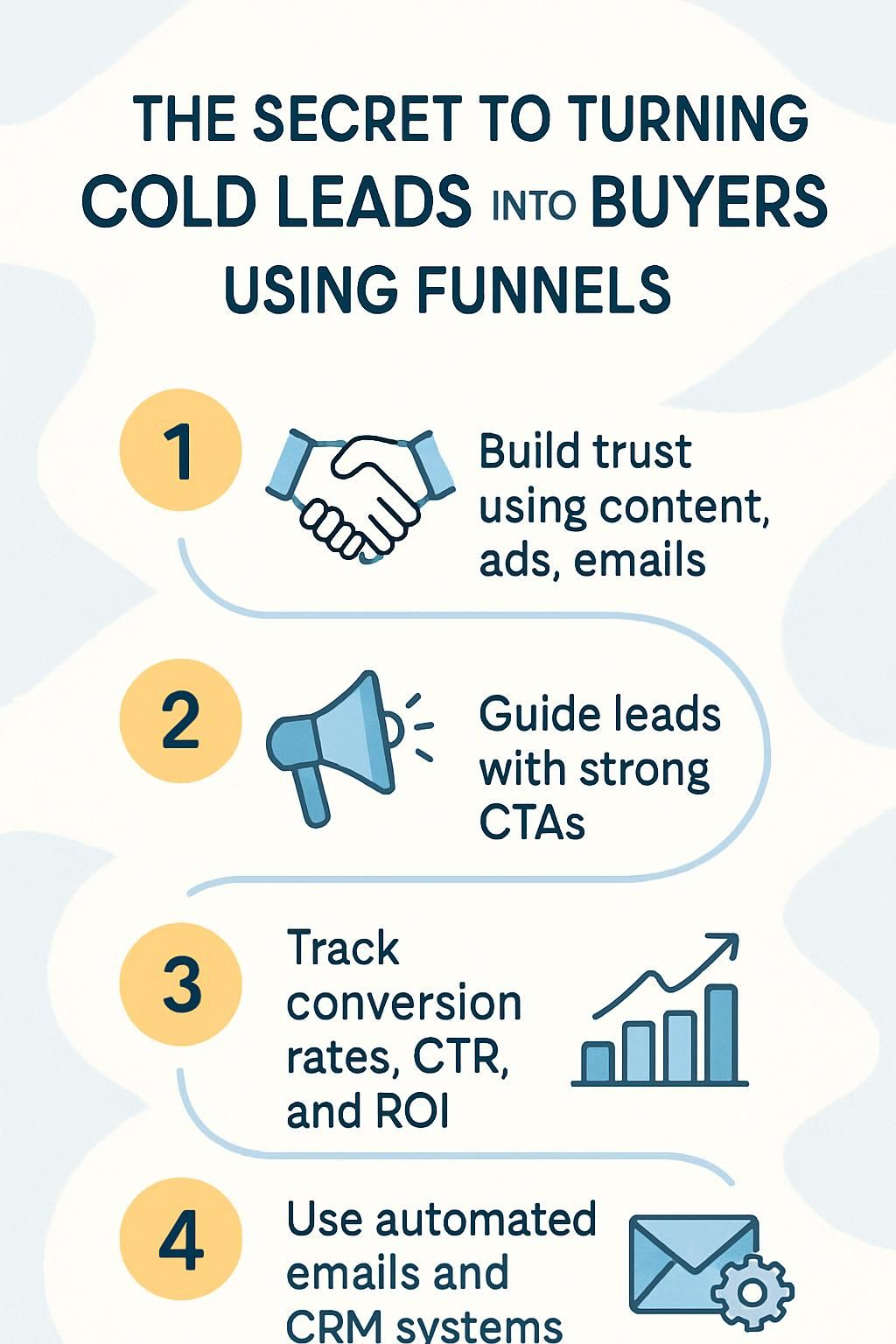
Automation tools help you nurture cold leads effectively. They save time and keep your marketing efforts organized. Tools like email marketing platforms or CRM systems make it easy to send personalized messages.
You can set up automated emails that go out at just the right moment, keeping potential buyers engaged.
Using these tools lets you track how leads respond to your content. This means you can see what works best for warming them up. With data analysis, you improve click-through rates on your landing pages.
Automation helps turn curious visitors into loyal customers. So, embrace these tools in your sales funnel strategy!
Step 5: Optimize calls-to-action (CTAs)
CTAs are essential in your sales funnel. They guide cold leads towards becoming buyers. Ensure these prompts stand out. Use action words like “Download Now” or “Try Your Free Trial.” Keep them clear and easy to understand.
Experiment with different styles for your CTAs. Try colors, sizes, and placements on your web pages or emails. Track click-through rates (CTR) to see which CTAs are most effective.
Tools like Google Analytics can assist you in measuring success. Effective CTAs can enhance customer engagement and improve conversion rates, so focus on them!
Strategies for Warming Up Cold Leads

You can warm up cold leads by personalizing your messages. Use specific details to connect with them and boost engagement. Share success stories or reviews to build trust. Consider offering tempting incentives like free trials or discounts, which can spark interest and invite action.
Personalize communication for better engagement
Personalizing your messages can make a big difference. Use your leads’ names in emails and messages. This small touch makes them feel valued. Share content that matches their interests, too.
If they prefer video or articles, give them what they want.
Engagement grows when people feel connected. Show social proof with testimonials from happy customers to build trust. Offer free trials or discounts to warm up cold leads further. These strategies help create strong relationships and change interest into action in the sales funnel.
Leverage social proof and testimonials
Social proof can enhance your sales funnel. It helps cold leads feel confident in your brand. Use customer testimonials to demonstrate the success of your product or service. When potential buyers see that others had a good experience, they feel more secure in their choice.
Share reviews on social media and your website. Feature case studies that highlight positive results from real users. You might consider posting video testimonials for greater impact; visuals often grab attention better than text alone.
Keep in mind, effective marketing strategies include showcasing social proof to improve customer engagement and conversion rates!
Offer valuable incentives like free trials or discounts
Offering valuable incentives is a great way to engage cold leads. Free trials or discounts catch their attention and motivate them to take action. You give them a taste of your product without any risk.
This builds trust, as they can test what you offer before buying.
Discounts also create urgency. They prompt leads to act quickly so they don’t miss out on deals. Using clear calls-to-action (CTAs) helps guide them through the sales funnel too.
Whether it’s signing up for an email or redeeming a discount, each step brings them closer to becoming loyal customers.
Measuring and Optimizing Funnel Performance
Measuring your funnel’s performance is key to success. You should keep an eye on metrics like conversion rates and leads from Google Analytics. Use A/B tests to find out what works best.
Adjust your strategies based on these insights. This will help you guide your cold leads down the sales pipeline smoothly… and boost your ROI!
Track key metrics and analytics
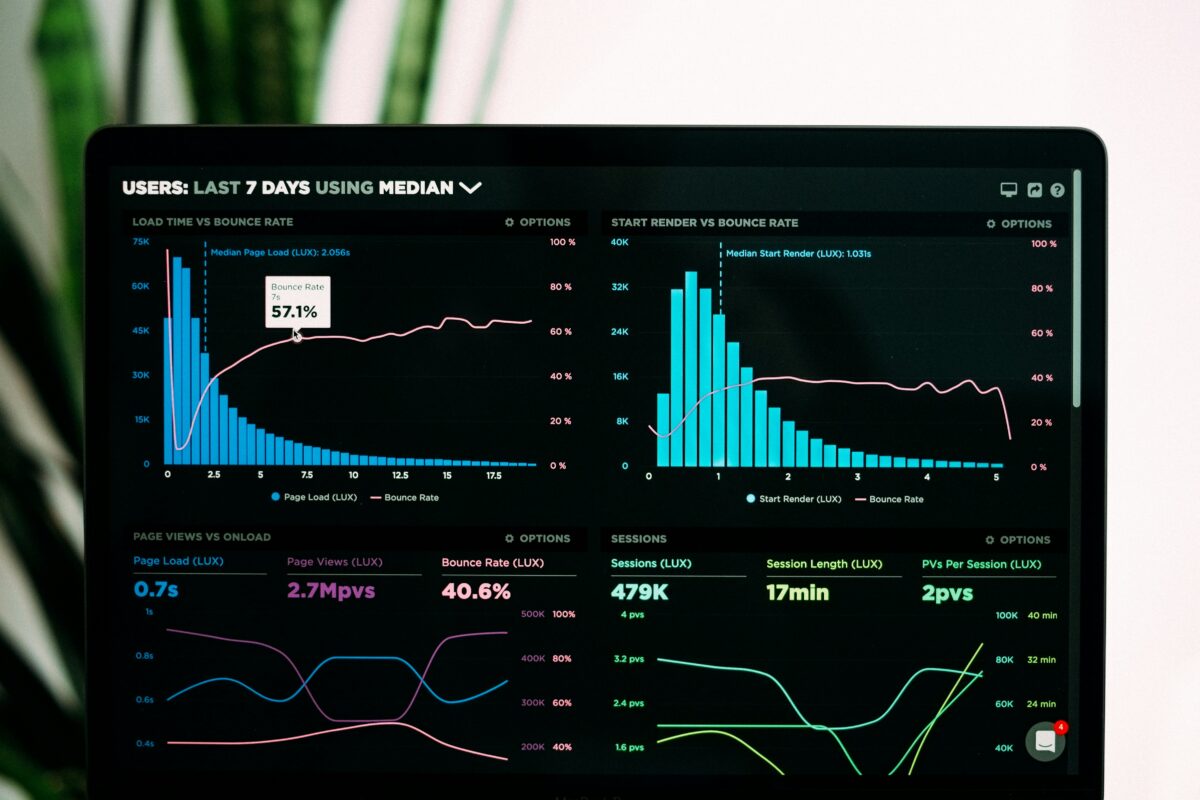
Tracking metrics is key to understanding your sales funnel. It helps you see what works and what doesn’t.
- Monitor conversion rates: This shows how many leads become buyers. A higher rate means your funnel is effective.
- Check click-through rates: This tells you how many people click on your ads or emails. Low rates may mean your content needs improvement.
- Analyze customer engagement: Look at how often people interact with your content, like blog posts or videos. High engagement indicates interest.
- Use Google Analytics: This tool provides insights into website traffic and user behavior. It helps you identify popular pages and where visitors drop off.
- Keep an eye on lead scoring: Assign points based on actions leads take, like signing up for newsletters or downloading guides. Higher scores indicate more interested leads.
- Track ROI (return on investment): Measure how much money you make compared to what you spend on ads and tools. A good ROI shows that your marketing strategy is working well.
- Review social media metrics: Platforms like Facebook and Twitter offer analytics on post performance and audience reach. Use this data to refine future ad campaigns.
- Conduct A/B tests: Test different versions of emails or landing pages to see which performs better. This can help improve conversions.
Using these methods will provide a clear picture of your funnel’s health and guide you toward better results in turning cold leads into buyers!
Test and refine funnel stages regularly
Testing and refining your funnel stages is key. This process can boost your sales pipeline and improve conversion rates.
- Analyze data from Google Analytics to see where leads drop off. Check each stage of the funnel. Knowing this helps you spot weak points.
- Use A/B testing for different messages, offers, or layouts. Change one element at a time to find out what works best.
- Gather feedback from your audience through surveys or social media posts. Ask them what they liked or what needs improvement in their customer journey.
- Monitor the performance of your CTAs regularly. Adjust wording or placement to enhance engagement and drive action.
- Keep an eye on trends in digital marketing and adapt your strategies accordingly. Changes in buyer behavior can affect how well your funnel performs.
- Review your lead nurturing strategies often to ensure they resonate with cold leads. Tailor content based on their interests and pain points for better results.
- Update automated emails based on past interactions with subscribers. Personalizing communication enhances customer engagement and helps build relationships over time.
Each step you take brings you closer to turning cold leads into buyers, so keep refining!
Conclusion
Turning cold leads into buyers is easier than you might think. Funnels can help guide potential customers step by step. Start with knowing your audience and creating content that speaks to them.
Use email marketing and social media advertising to keep them interested. With the right approach, you can boost conversion rates and build strong customer relationships.