3 Email Funnels That Can Double Your Conversions
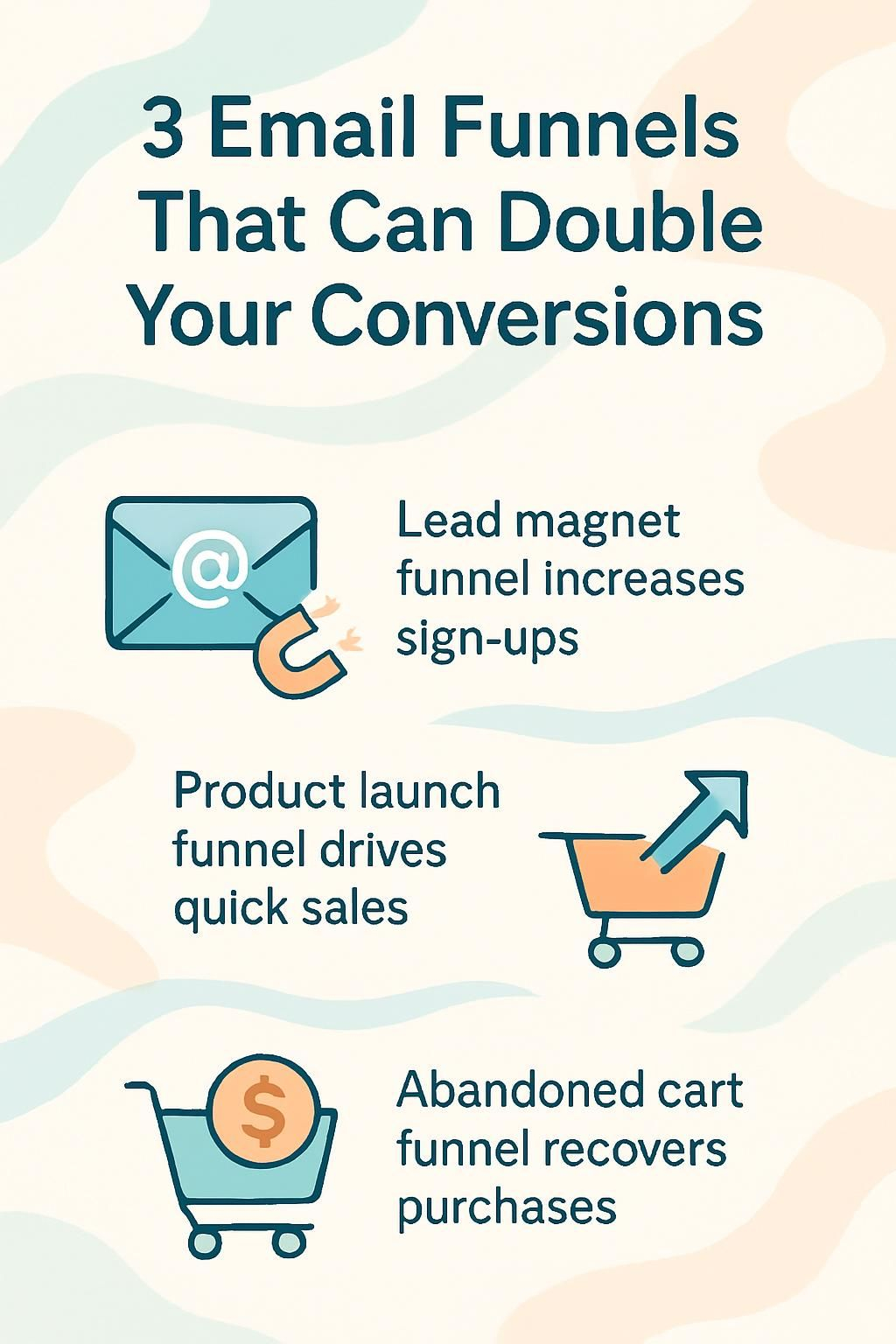
Struggling to turn your email list into real sales? Studies show that smart marketing funnels can boost your conversion rate and customer engagement fast. In this blog, you will find three proven email funnels—lead magnet funnel, product launch funnel, and abandoned cart funnel—that help double conversions for brands of any size.
Want more clicks on every campaign? Keep reading below!
What Makes an Email Funnel Effective?
A strong email funnel guides your target audience through each stage of the buyer’s journey—raising awareness, then moving to consideration, and finally, the conversion stage. Using marketing automation software like Mailchimp or HubSpot helps you send automated email sequences with great timing and better subscriber engagement.
Understanding the customer journey
Every sale starts with the customer journey. You guide your target audience from the awareness stage to the conversion stage, using touch points like social media, search engine optimization, and landing pages.
Each step in this process is a chance to boost customer engagement and increase click-through rates.
Use marketing automation tools such as email drip campaigns or customer relationship management (CRM) software to keep track of each interaction. Automated email sequences help you send personalized messages at just the right time.
Up next: key elements of a high-converting funnel.
Key elements of a high-converting funnel
Understanding your customer journey leads to better email funnels. A high-converting funnel must have key elements that grab attention and drive action. First, your audience needs a clear call to action.
Make it simple for them to know what you want them to do next, whether it’s clicking a link or signing up.
Next, use email personalization. Tailor your messages based on their interests and behaviors. This can boost engagement rates and click-throughs. Incorporating social proof helps too; showcase testimonials or case studies from happy customers.
Finally, create urgency with limited-time offers or countdown timers in your emails; this pushes people to act quickly before they miss out.
The best email funnels connect with the buyer’s journey.
Funnel 1: The Lead Magnet Funnel
The Lead Magnet Funnel grabs attention and grows your email list. Offer something valuable, like a free guide or discount, to entice users to subscribe and keep them engaged.
How it works
The lead magnet funnel attracts potential customers. You offer something valuable in exchange for their email addresses.
- A freebie catches attention. This could be an ebook, template, or checklist that solves a problem.
- You create a landing page that highlights the value of your freebie. This page should have a clear call to action (CTA) that encourages visitors to sign up.
- Once users provide their email, they receive the lead magnet automatically. An automated email sequence helps you welcome them and set expectations.
- Keep engaging with your new subscribers through follow-up emails. Share helpful content and tips related to the lead magnet they received.
- Create a nurturing sequence that builds trust over time. Use personal stories and educational content to connect with your audience.
- Offer product recommendations based on user interests and past behaviors later on. This increases chances of conversions as they feel understood.
- Monitor key metrics such as open rates and click-through rates (CTR). Adjust your strategy as needed based on this data for better results.
This funnel works well for lead generation because it aligns with the buyer’s journey, keeping the customer engaged at every stage while maximizing conversion rates.
Examples of effective lead magnets
Lead magnets are great tools for attracting new subscribers. They provide value and encourage people to share their email addresses.
- Free Ebooks: Offering a free ebook can grab attention. A well-written guide on a topic related to your business helps engage potential customers right away.
- Checklists: Simple checklists provide quick help. They are easy to digest and useful for your target audience, making them likely to sign up for more.
- Webinars: Hosting a live webinar can draw in large crowds. People love learning new things, especially if they involve special insights or tips.
- Discount Codes: Everyone enjoys saving money! Offering a discount code is an effective way to make potential customers feel appreciated and eager to buy.
- Quizzes: Engaging quizzes can reveal customer preferences. This kind of lead magnet gives you valuable information while keeping users interested.
- Resource Libraries: Curating a library with useful resources is powerful. This allows subscribers access to various materials, making it easy for them to see your value.
- Templates: Providing templates saves time for your audience. Whether it’s social media posts or business plans, these tools can make life easier and attract more sign-ups.
Using these lead magnets effectively boosts your email list instantly while improving conversion rates too!
Tips for maximizing conversions
Maximizing conversions in your email funnels is key to boosting sales. Here are some effective tips to help you achieve that.
- Use a strong subject line. Catchy subject lines increase open rates and draw readers in. Make it clear and engaging.
- Personalize your emails. Use the subscriber’s name and tailor content to their interests. This makes them feel valued.
- Provide clear calls to action (CTAs). Tell readers exactly what you want them to do next, like “Buy Now” or “Learn More.” Make these buttons stand out.
- Employ urgency in your offers. Limited-time offers push subscribers to act quickly. Include countdown timers for added effect.
- Keep your emails focused on one main message. Avoid cluttering with too many ideas or links, as this can confuse readers.
- Optimize for mobile devices. Many people check their emails on phones—ensure that your design looks good on all screens.
- Test different elements within your emails using A/B testing—compare subject lines, images, or CTAs to see what works best.
- Track your email performance metrics closely. Look at open rates, click-through rates, and conversion rates regularly to refine your approach.
- Use social proof effectively—include testimonials or user reviews in your emails to build trust with potential buyers.
- Offer incentives like reward points or discounts for signing up or making a purchase; this encourages customer loyalty and increases retention rates.
These tips can help improve customer engagement and boost conversion rates for your email marketing campaigns.
Funnel 2: The Product Launch Funnel
Funnel 2 focuses on the Product Launch Funnel. This type of funnel creates excitement and urgency around a new product. You’ll send emails that build interest and highlight special features.
Use countdown timers to prompt quick action from your audience… simple yet effective!
Step-by-step process of a product launch funnel
A product launch funnel helps you share your new items with the right people. It guides potential buyers from interest to action.
- Start with a teaser email. This builds excitement around your upcoming product. Share some sneak peeks and key features, but keep details vague.
- Create a landing page for sign-ups. This page should be clear and engaging. Offer value propositions that explain why potential customers should care.
- Send out an announcement email when the product launches. Highlight benefits and include images or videos to grab attention.
- Use follow-up emails after the launch. These emails can include customer testimonials and social proof to build confidence.
- Introduce limited-time offers or discounts through emails to prompt quick decisions. Countdown timers can enhance urgency in these messages.
- Share educational content about the product in future emails. Explain how it solves problems or meets needs, reinforcing its significance.
- Segment your audience based on their engagement levels with previous emails. This allows for more personalized communication strategies that boost engagement.
- Analyze metrics like open rates and click-through rates regularly using tools like Google Analytics or email analytics software to see what works best.
- Refine your approach as needed based on data insights to improve conversion rates over time and enhance customer experiences with future launches.
- End with a strong call-to-action in every email to guide readers toward making a purchase or learning more about the product directly from your online shop or website.
Each step is essential for creating successful email funnels that strengthen customer relationships and drive conversions effectively!
Types of emails included in this funnel
A product launch funnel includes several types of emails. These emails help to build excitement and drive sales.
- Announcement Email: This email introduces the new product. It shares key features and benefits. You can create a buzz around the launch date.
- Teaser Email: Send this email before the official launch. It builds anticipation among your subscribers. Share sneak peeks or hints about what’s coming.
- Launch Day Email: On this day, announce that the product is available for purchase. Include strong calls to action (CTAs). Highlight any limited-time offers to encourage quick action.
- Follow-up Emails: After the launch, send follow-up emails to remind customers about the product. You can include testimonials or social proof to build trust.
- Urgency Emails: Use these emails as reminders about limited stock or time-sensitive offers. Countdown timers can be included for added pressure, urging customers to act fast.
- Post-Launch Survey Emails: Ask for feedback from those who bought your product. This helps you understand customer experience and improve future launches.
- Re-engagement Emails: Reach out to subscribers who didn’t buy during the launch period. Offer them a special discount or incentive for their next purchase.
Each type of email serves a purpose in your product launch funnel, helping boost your conversion rates and enhance customer engagement while keeping them informed throughout their buyer’s journey.
Using urgency and exclusivity to drive action
Creating a sense of urgency helps people act quickly. Use phrases like “limited-time offer” or “only a few spots left.” These words make your audience feel they might miss out if they wait.
For example, you can add countdown timers in your email campaigns. This small touch can boost conversion rates by pushing readers to click before time runs out.
Exclusivity also encourages action. When customers feel special, they are more likely to engage with your emails. You might say “join our VIP list” or “be the first to know.” Offering exclusive content can build stronger customer relationships too.
Highlight benefits that only certain subscribers receive; this will keep them interested and engaged with your brand.
Funnel 3: The Abandoned Cart Funnel

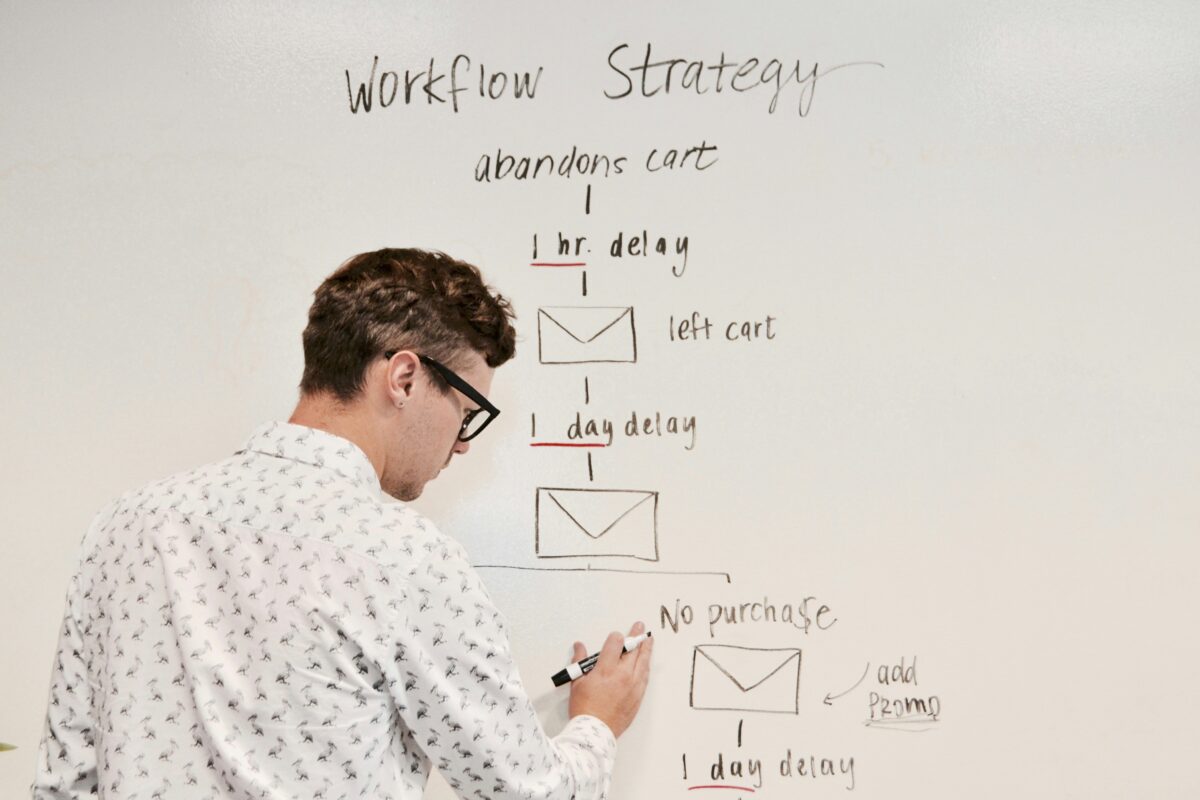
The abandoned cart funnel is key for boosting sales. Many shoppers leave their items in the cart, but a well-timed email can bring them back. A strong follow-up message can remind them of what they left behind and offer help or a special deal—like loyalty points—if they complete their purchase.
You will see higher open rates and click-through rates with engaging content that speaks to your audience’s needs. Ready to explore how to craft these emails? Let’s keep going!
Why abandoned cart emails are crucial
Abandoned cart emails are vital for boosting your sales. Many shoppers leave items in their online carts without buying. This often happens because they get distracted or need more time to think.
By sending a reminder email, you can encourage them to complete their purchase.
These emails can increase your conversion rates significantly. They remind customers of what they wanted and create urgency with limited-time offers. Using strong calls-to-action helps too; it guides the shopper back to your store easily.
Next, let’s look at crafting compelling follow-up emails for this funnel.
Crafting compelling follow-up emails
Crafting follow-up emails can help turn potential sales into real ones. These emails are essential in keeping customers engaged and leading them back to complete their purchase.
- Start with a catchy subject line. A good subject grabs attention and makes people want to open the email. Use urgency or curiosity to drive clicks.
- Personalize your message. Use the recipient’s name, remind them of what they left behind, and add product recommendations. This approach strengthens customer relationships.
- Highlight social proof. Share reviews or testimonials from others who completed the purchase. This builds confidence and shows that your products are worth buying.
- Create a sense of urgency. Add time-sensitive offers, like limited-time discounts or countdown timers, which encourage immediate action.
- Keep it short and clear; busy customers appreciate brevity. Focus on one clear call-to-action (CTA). Let them know exactly what you want them to do next.
- Include images of abandoned items as a visual reminder of what they left behind; this helps jog memories and piques interest.
- Test different approaches with A/B testing; try different subjects, content styles, or CTAs to see what gets better click-through rates.
- Be friendly but not pushy in your tone; you want to guide them back without making it feel like a hard sell.
- Offer extra resources like educational content or how-to guides related to the abandoned items; this keeps customers engaged and interested in your brand.
- Monitor email analytics closely; look at open rates and conversion rates to refine future emails for even better performance metrics.
Examples of successful abandoned cart campaigns
Many brands use abandoned cart emails to reach customers. These emails remind shoppers about their missing items and encourage them to complete their purchases.
- Amazon excels at sending reminders. They highlight the items left in the cart and suggest similar products. This boosts click-through rates and sales.
- Best Buy uses urgency effectively. Their emails include limited-time offers, encouraging customers to act fast. This tactic increases conversions by creating a sense of necessity.
- ASOS personalizes their approach well. They add product images and specific details in their follow-up emails. Personalization enhances customer engagement and keeps shoppers interested.
- Walmart sends friendly reminders after an abandoned cart event. They also include product recommendations based on past purchases. This strategy helps improve customer relationships and encourages repeat visits.
- Target leverages social proof in their campaigns. They show customer reviews for items left behind, adding credibility to the products. This builds confidence and can influence buying decisions.
- Dell used countdown timers in its email campaigns successfully. Customers see how much time is left for discounts or special offers—this urgency drives action quickly.
- J.Crew keeps it simple with a clean design in their emails, highlighting key product features without distractions. A clear call-to-action (CTA) guides users back to their carts easily.
- Shopify stores benefit from automated email sequences customized for each shopper’s behavior—this leads to higher conversion rates as customers receive timely nudges based on actions they take online.
- Crate & Barrel combines engaging content with deals to entice shoppers back to their carts; they might offer educational tips on using products that are left behind, making the email valuable.
- eBay uses humor effectively in their abandoned cart messages, making it fun while gently encouraging buyers; this light-hearted approach creates connection and promotes action without pressure.
Optimizing Your Email Funnels
To boost your email funnels, focus on segmenting your audience. This helps you create messages that really resonate. Try A/B testing subject lines and content too—it’s a great way to see what works best.
Keep an eye on performance metrics like open rates and click-through rates. These numbers help you fine-tune your strategies for better results.
Segmenting your audience for better results
Segmenting your audience helps you connect better. You can group people based on their interests or needs. This way, you send them relevant emails that they care about. For example, if someone signs up for a webinar on social media marketing, they might want tips in that area.
Using email personalization increases engagement too. By tailoring content to each group, your click-through rates will rise. Make sure to track how different segments respond. Testing subject lines and email design best practices can show what works best for each part of your list.
A/B testing subject lines and content
A/B testing helps you find what works best for your emails. You can make small changes and see which options get more clicks.
- Start with clear goals. Decide what you want to improve, like open rates or click-through rates.
- Create two versions of your email. Change only one part, like the subject line or the main content.
- Send each version to a similar group of subscribers. This way, you can compare how each performs.
- Track the results carefully. Use email analytics to see which version gets more opens and clicks.
- Keep it simple. Focus on one change at a time to see clear results.
- Test different subject lines often. A catchy subject line can boost your open rates significantly.
- Try various calls-to-action (CTAs). Adjusting your CTA might encourage more people to take action.
- Look at subscriber engagement over time. This gives you insight into what content keeps them interested.
- Use A/B testing regularly in your campaigns; repeating this process helps refine your approach.
- Share successful tests with your team; use these insights to guide future email marketing strategies.
Using A/B testing will help improve conversion rates for your email funnels while keeping your audience engaged and informed about any limited-time offers or product features they may love!
Tracking and refining performance metrics
Tracking your performance metrics helps you understand what works. It shows how well your email funnels perform.
- Set clear goals for each email funnel. Decide what you want to achieve, like higher open rates or more clicks. Goals keep you focused.
- Use email analytics tools to gather data. These tools track opens, clicks, and conversions. They give you numbers that matter.
- Frequently look at click-through rates. This shows how many people clicked on links in your emails. If the rate is low, it may need tweaking.
- Test different subject lines with A/B testing. Send one version of an email to half your audience and another version to the rest. See which one gets better results.
- Check your conversion rates regularly. This tells you how many subscribers took action after reading your emails, like making a purchase or signing up for a webinar.
- Analyze customer engagement levels over time. Are people still opening and reading your emails? Low engagement may mean it’s time for new content or offers.
- Adjust based on what you learn from the data you collect; refine your strategies as needed to improve results continuously; small changes can make a significant difference in customer retention and brand awareness.
- Keep an eye on unsubscribe rates as well; if they rise too high, this signal means something isn’t working right with your emails; investigate quickly to fix issues before losing more subscribers.
- Focus on segmenting your audience further for better results; sending targeted messages increases relevance and can boost click-through rates significantly.
- Regularly assess the ROI of your campaigns through calculated metrics; this helps ensure you’re getting good returns on investment from your marketing efforts across various channels.
Conclusion
Email funnels can boost your conversions. Try the Lead Magnet Funnel to attract new leads. Launch products with a well-planned Product Launch Funnel. Don’t forget the Abandoned Cart Funnel; it helps you win back lost sales.
By optimizing these funnels, you build strong customer relationships and improve engagement for better results. Happy emailing!